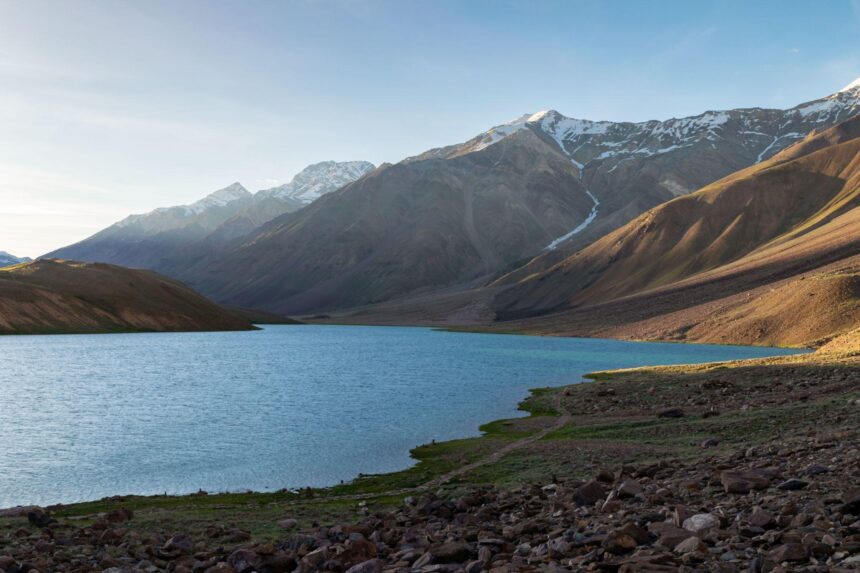
There are trips you take, and then there are journeys that quietly change the way you see landscapes, time, and even yourself. Spiti Valley belongs to the latter.
This 8-Days Itinerary Spiti Valley is not just about moving from one destination to another—it’s about entering a world where mountains feel raw, roads feel alive, and silence has its own language. Starting from Shimla and ending in Chandigarh, this route takes you through some of the most dramatic terrains in India.
If you’re planning your next adventure through DestinationsDesire, this guide will help you experience Spiti the right way—slowly, meaningfully, and completely.
Day 1 – Arrival in Shimla: Ease Into the Mountains
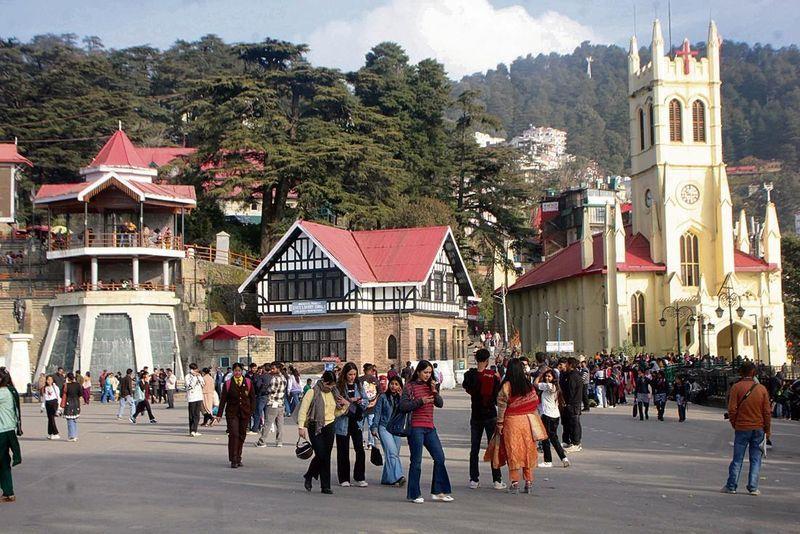
Your journey begins in Shimla, a hill town that still carries echoes of colonial charm. This is not yet Spiti, but it’s where your body and mind begin adjusting to the mountains.
Things to Do:
- Walk along Mall Road and Ridge for relaxed exploration
- Visit Jakhoo Temple for panoramic views
- Try local Himachali cuisine in small cafés
- Rest well—altitude travel begins tomorrow
The first day is about slowing down. Don’t rush. Spiti rewards patience.
Day 2 – Shimla to Kalpa: Entering Kinnaur
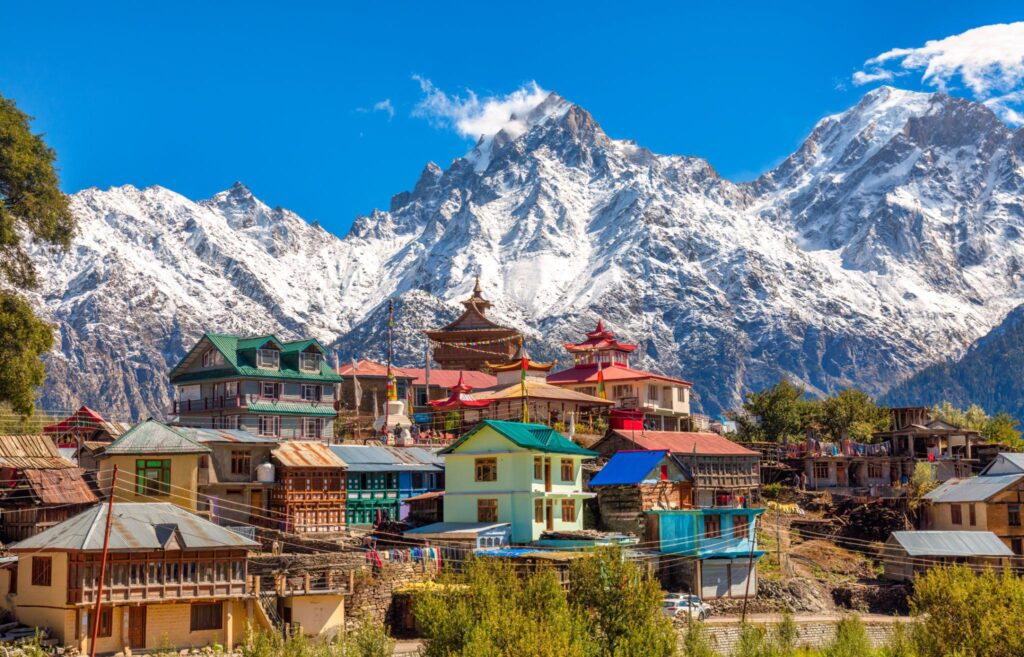
The drive from Shimla to Kalpa is where the landscape starts shifting dramatically. The lush greenery slowly gives way to rugged mountain textures.
Things to Do:
- Enjoy the scenic drive along the Sutlej River
- Stop at Reckong Peo for local market exploration
- Witness sunset over the Kinnaur Kailash range
- Walk through apple orchards in Kalpa
This is where your 8-Days Itinerary Spiti Valley truly begins to feel real.
Day 3 – Kalpa to Tabo: Crossing Into Spiti
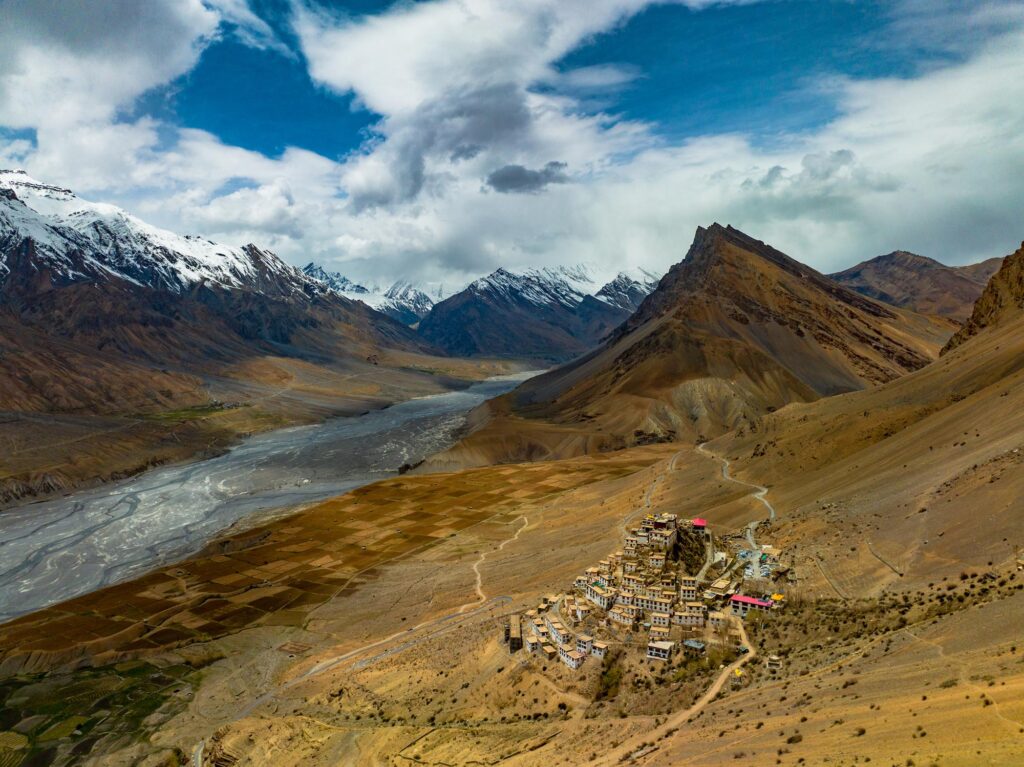
Today’s drive is long, but unforgettable. As you move towards Tabo, the terrain transforms into a cold desert—raw, open, and powerful.
Things to Do:
- Visit Nako Village and its serene lake
- Explore the ancient Tabo Monastery (over 1000 years old)
- Experience the quiet, almost spiritual silence of Spiti
- Interact with locals and understand their lifestyle
Tabo isn’t just a stop—it’s a reminder that time moves differently here.
Day 4 – Tabo to Kaza: The Heart of Spiti
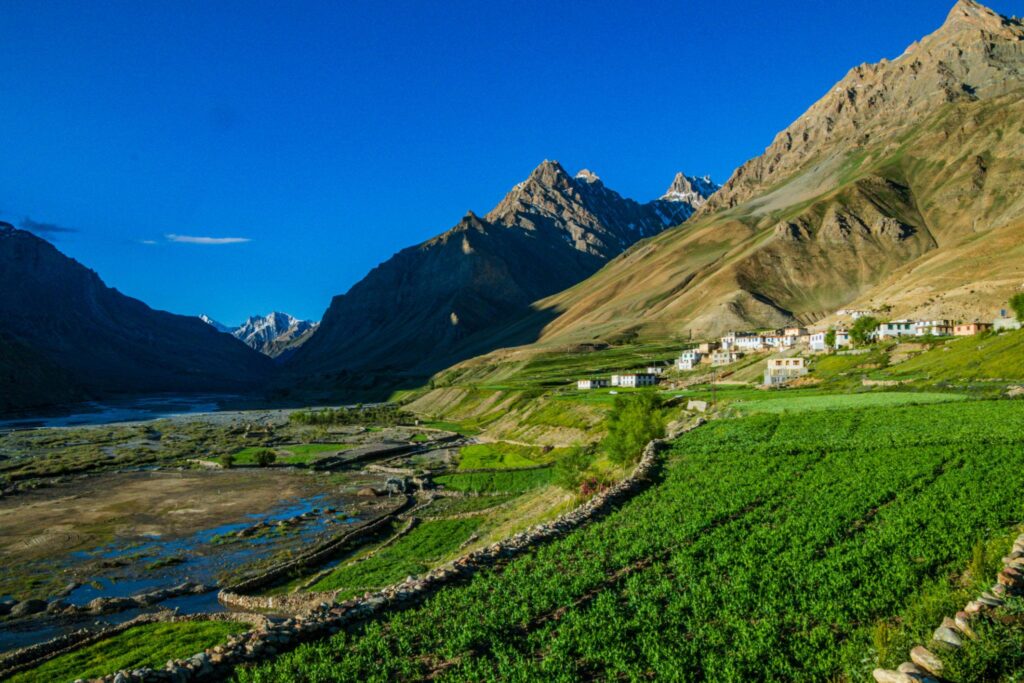
A shorter drive today takes you to Kaza, the main town and cultural center of Spiti.
Things to Do:
- Visit Dhankar Monastery perched on a cliff
- Explore Pin Valley National Park (if accessible)
- Relax in Kaza cafés and meet fellow travelers
- Prepare for higher altitude travel ahead
Kaza is where you pause, breathe, and absorb the vastness around you.
Day 5 – Kaza to Losar: Moving Deeper Into the Silence
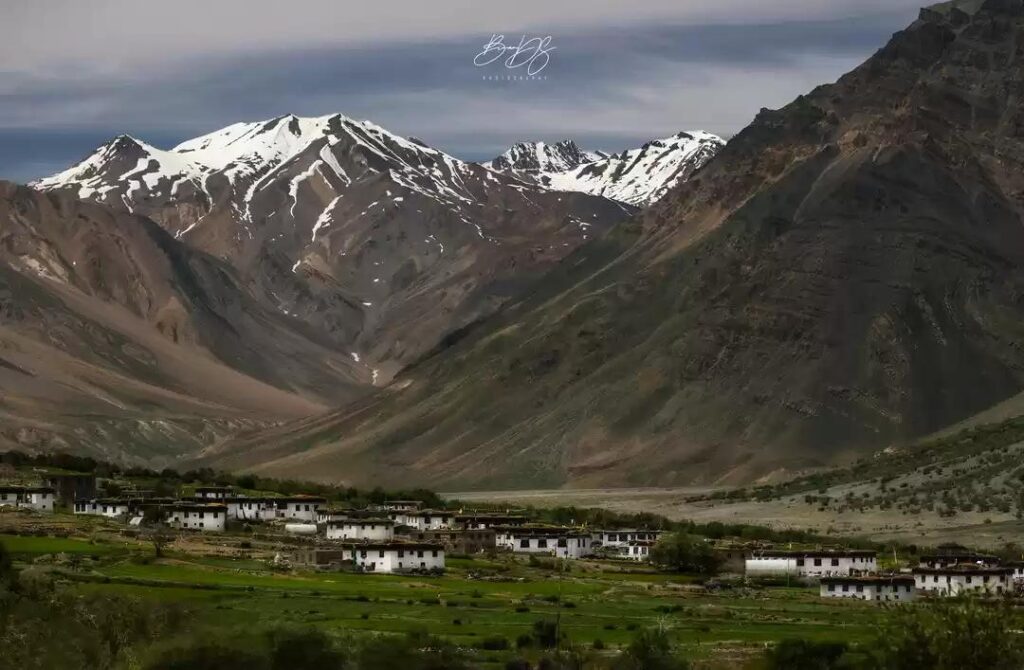
Leaving Kaza, you head towards Losar, a small village that feels untouched by time.
Things to Do:
- Experience authentic village life
- Walk through quiet trails surrounded by mountains
- Capture dramatic high-altitude landscapes
- Rest early to prepare for Kunzum Pass crossing
This part of the 8-Days Itinerary Spiti Valley feels deeply personal. The crowds disappear. The silence stays.
Day 6 – Losar to Chandratal Lake: A Dreamlike Landscape
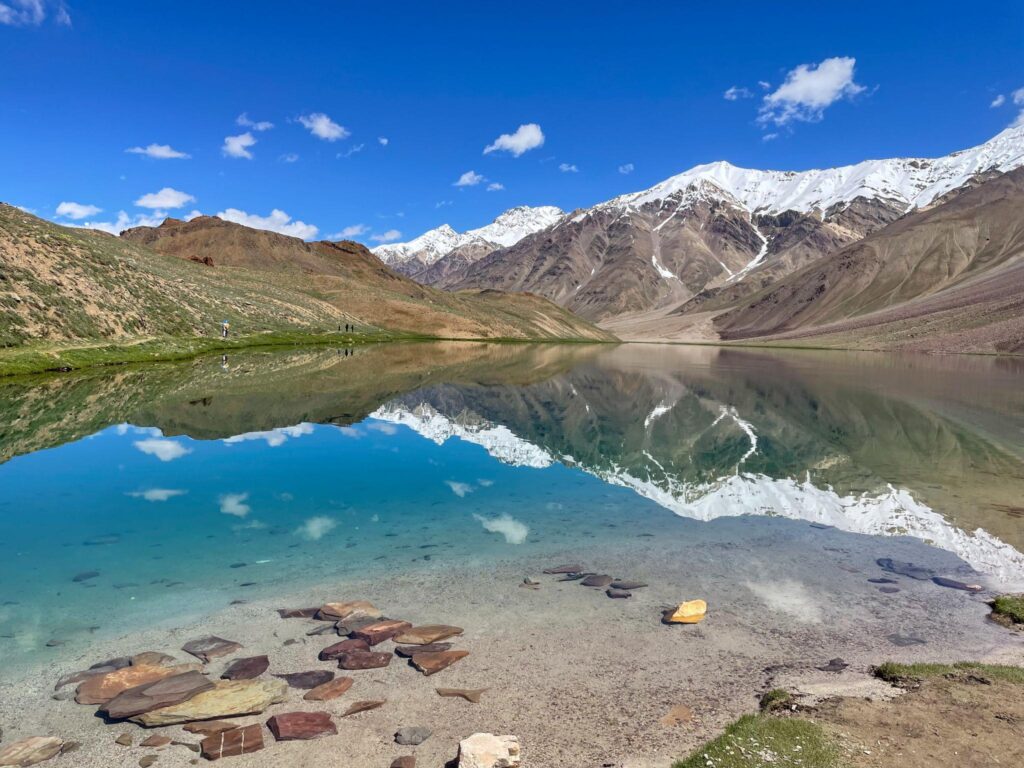
Today is one of the most beautiful days of your journey. Crossing Kunzum Pass, you reach Chandratal Lake—a place that feels almost unreal.
Things to Do:
- Visit Kunzum Pass and offer prayers for safe travel
- Trek to Chandratal Lake viewpoint
- Camp under a sky full of stars
- Enjoy the peaceful surroundings without distractions
Chandratal is not loud or dramatic—it’s quietly breathtaking.
Day 7 – Chandratal to Manali: From Silence to Energy
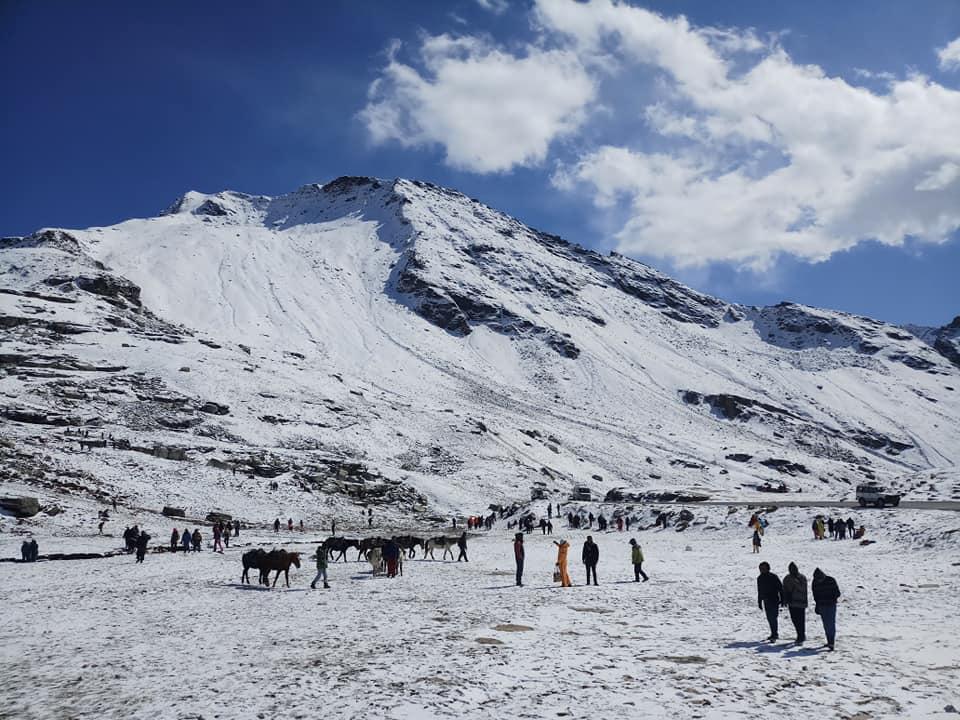
Things to Do:
- Cross Rohtang Pass (depending on route conditions)
- Relax in Manali cafés after days of remote travel
- Explore local markets and enjoy hot meals
- Reflect on your Spiti journey
Manali feels almost busy after Spiti—but that contrast is part of the experience.
Day 8 – Manali to Chandigarh: Returning to Reality

Your final drive takes you to Chandigarh, a city known for its structured design and modern vibe.
Things to Do:
- Visit Rock Garden or Sukhna Lake
- Enjoy a comfortable stay after a rugged journey
- Plan your return with a sense of completion
By now, your 8-Days Itinerary Spiti Valley has come full circle.
Travel Tips for Spiti Valley
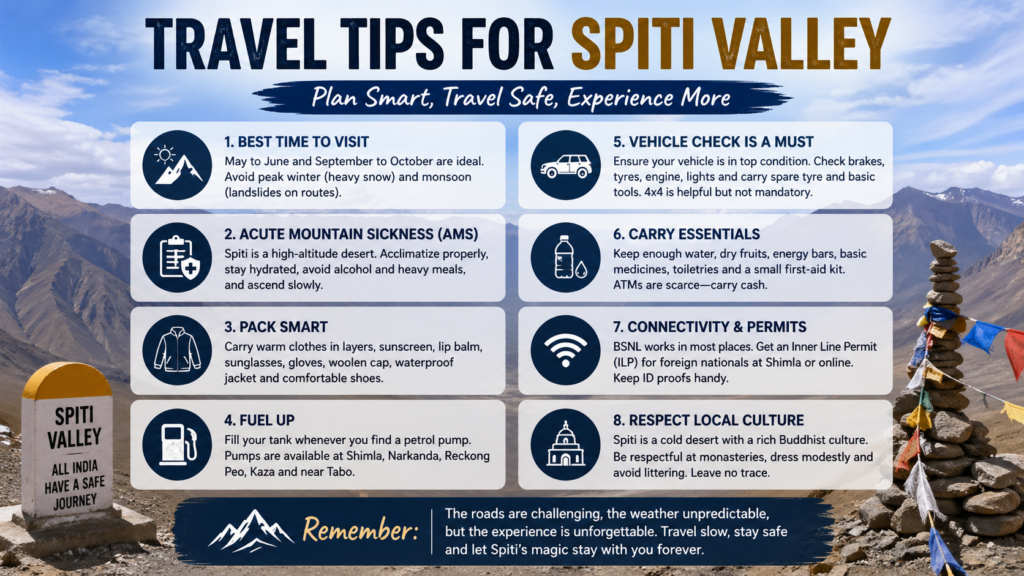
- Acclimatization is key: Avoid rushing to higher altitudes
- Carry cash: ATMs are limited in remote areas
- Pack essentials: Warm clothes, medicines, power banks
- Check road conditions: Weather can change quickly
- Travel slow: Spiti is not meant to be rushed
Final Thoughts
Spiti Valley doesn’t try to impress you—it simply exists, raw and untouched. And somewhere along this 8-Days Itinerary Spiti Valley, you stop trying to capture everything and start experiencing it instead.
If you’re planning your journey through DestinationsDesire, remember this: Spiti is not about luxury, comfort, or speed. It’s about distance—between you and the noise you left behind.
And that distance is where the real journey begins.
FAQ’S
Q1.What is the best time to follow the 8-Days Itinerary Spiti Valley?
The best time to follow the 8-Days Itinerary Spiti Valley is between May and October. During these months, most roads, including Kunzum Pass and Chandratal route, remain open and accessible. Winters (November to April) are extremely harsh and not suitable for this itinerary.
Q2.Is the 8-Days Itinerary Spiti Valley suitable for beginners?
Yes, this 8-Days Itinerary Spiti Valley is beginner-friendly if you travel via the Shimla route. It allows gradual altitude gain, which helps in proper acclimatization. However, basic physical fitness and preparation are still important.
Q3.Do I need a permit for Spiti Valley?
Indian travelers generally do not need permits for Spiti Valley. However, if you plan to visit restricted areas near borders, permits may be required. Foreign nationals need an Inner Line Permit (ILP) for certain regions.
Q4 Is it safe to travel solo on this 8-Days Itinerary Spiti Valley?
Yes, Spiti Valley is considered safe for solo travelers, including women. Locals are welcoming, and tourism is well-supported. However, due to remote conditions, it’s advisable to inform someone about your travel plans.
Q5.What kind of vehicle is best for Spiti Valley?
For the 8-Days Itinerary Spiti Valley, SUVs or bikes like Royal Enfield are preferred due to rough terrains. High ground clearance vehicles perform better, especially between Losar, Chandratal, and Manali.