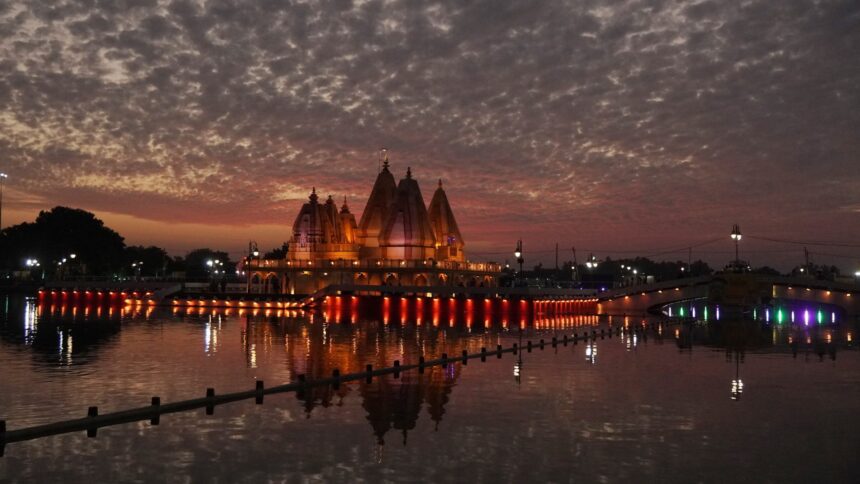
Gita Jayanti is one of the most sacred and respected festivals in Hindu culture. It marks the day when the Bhagavad Gita, a holy scripture containing the teachings of Lord Krishna, was first spoken. This day holds great importance for spiritual seekers, devotees, and anyone who wants to understand the deeper meaning of life. Gita Jayanti is observed every year with devotion, prayers, and a renewed commitment to follow the path of righteousness.
This blog explains why Gita Jayanti is celebrated, its history, why it is famous, and when it starts and ends. The language is kept simple so that everyone can easily understand it.
Suggested To Read:- Best Places to visit in kashmir
What is Gita Jayanti
Gita Jayanti is the celebration of the day when Lord Krishna narrated the Bhagavad Gita to Arjun on the battlefield of Kurukshetra during the Mahabharata war. The Bhagavad Gita consists of 18 chapters and 700 verses that guide a person on how to live a balanced, purposeful, and meaningful life. It teaches the concepts of duty, karma, devotion, discipline, and inner peace.
Gita Jayanti is observed on Shukla Paksha Ekadashi in the Hindu month of Margashirsha, which usually falls in November or December.
Suggested To Read:-Best New Year Destinations In India For Couples
Why Gita Jayanti is Famous

1. The Birth of Divine Knowledge
Gita Jayanti marks the day when the timeless and universal teachings of the Bhagavad Gita were first revealed. The Gita is considered one of the greatest spiritual texts in the world.
2. Universal Message for all
The Bhagavad Gita is not limited to any religion, caste, or region. Its teachings are universal. It explains how to perform one’s duty without fear, how to control the mind, and how to stay calm in difficult situations.
3. Guidance for Modern Life
Even today, people across the world read the Gita for wisdom, clarity, and inspiration. Leaders, scholars, and spiritual teachers recommend it because it helps in decision-making, stress management, and self-development.
4. Celebration of Dharma
Gita Jayanti reminds us of the victory of truth, duty, and righteousness. It inspires us to choose the right path even when life becomes difficult.
Suggested To Read:- Indian Winter Holidays that will warm your soul
History of Gita Jayanti
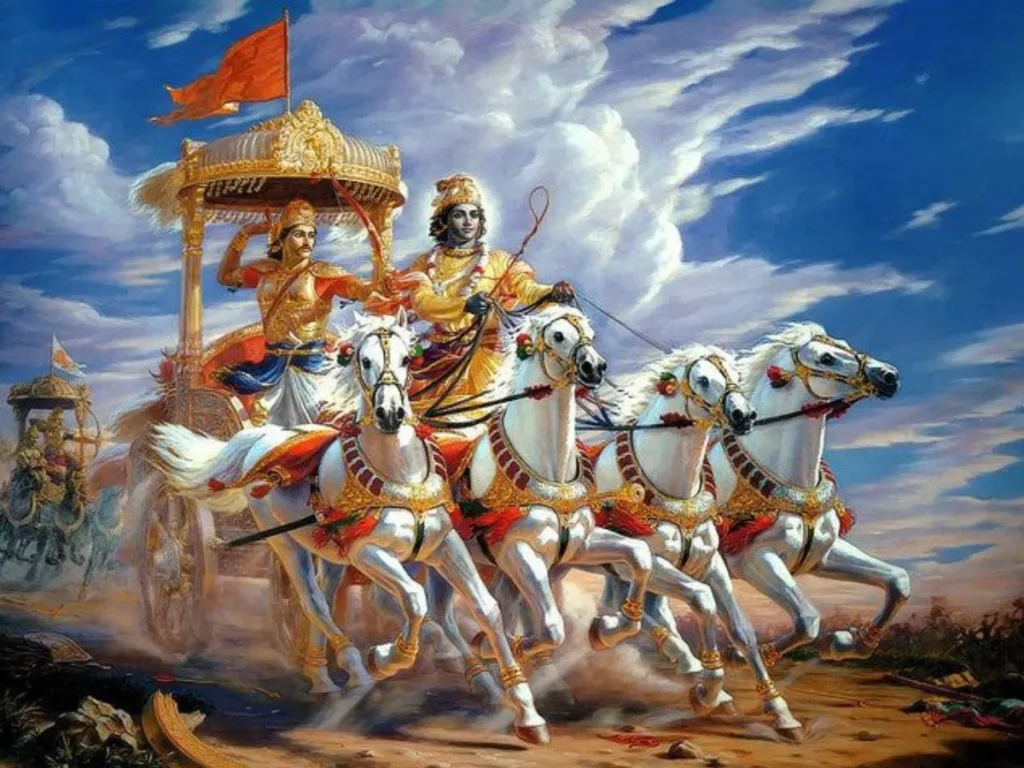
According to Hindu scriptures, the Mahabharata war took place around 5000 years ago in Kurukshetra. Just before the war began, Arjun was confused and mentally disturbed. He did not want to fight against his own relatives, teachers, and friends. Seeing Arjun in pain, Lord Krishna guided him by giving the knowledge of the Bhagavad Gita.
This divine conversation cleared Arjun’s doubts and gave him strength. The teachings of the Gita became a guidebook for humanity. The date on which this knowledge was delivered is celebrated as Gita Jayanti.
Since then, this day is considered holy, and millions of people worldwide worship the Gita, read its verses, and reflect on its teachings.
Gita Jayanti Start and End Date
Gita Jayanti is celebrated on Shukla Ekadashi of the Margashirsha month. It starts with early morning prayers and ends the same day after spiritual programs. Unlike long festivals, Gita Jayanti is a one-day celebration.
When it starts:
Gita Jayanti begins at sunrise on Ekadashi.
When it ends:
It ends after sunset on the same day, after completing Gita path, bhajan-kirtan, and other rituals.
Temples, especially in Kurukshetra, host week-long Gita Mahotsav events, but the main Gita Jayanti celebration is for one day only.
How Gita Jayanti is Celebrated
1. Gita Path (Reading the Gita)
Devotees read all 18 chapters of the Bhagavad Gita. Many people read only selected important shlokas if they cannot read the full text.
2. Bhajan and Kirtan
Temples organize devotional singing, group chanting, and pravachan sessions where spiritual speakers explain the meaning of Gita shlokas.
3. Hawan and Special Prayers
Special rituals and havan are performed for peace, prosperity, and the well-being of the world.
4. Gita Mahotsav in Kurukshetra
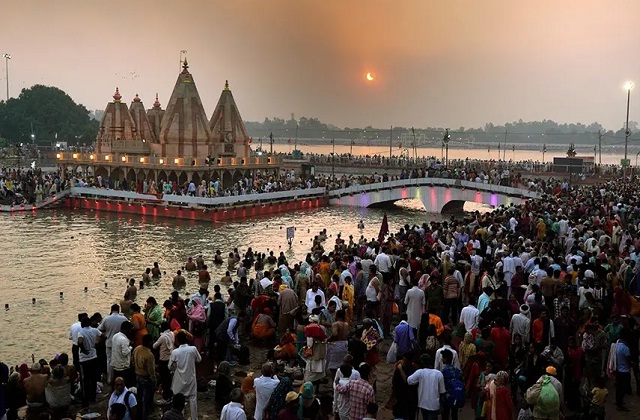
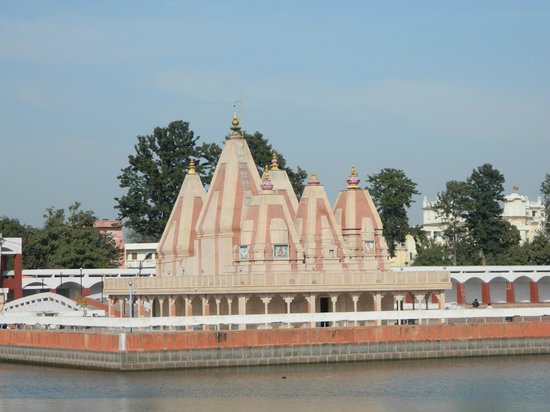
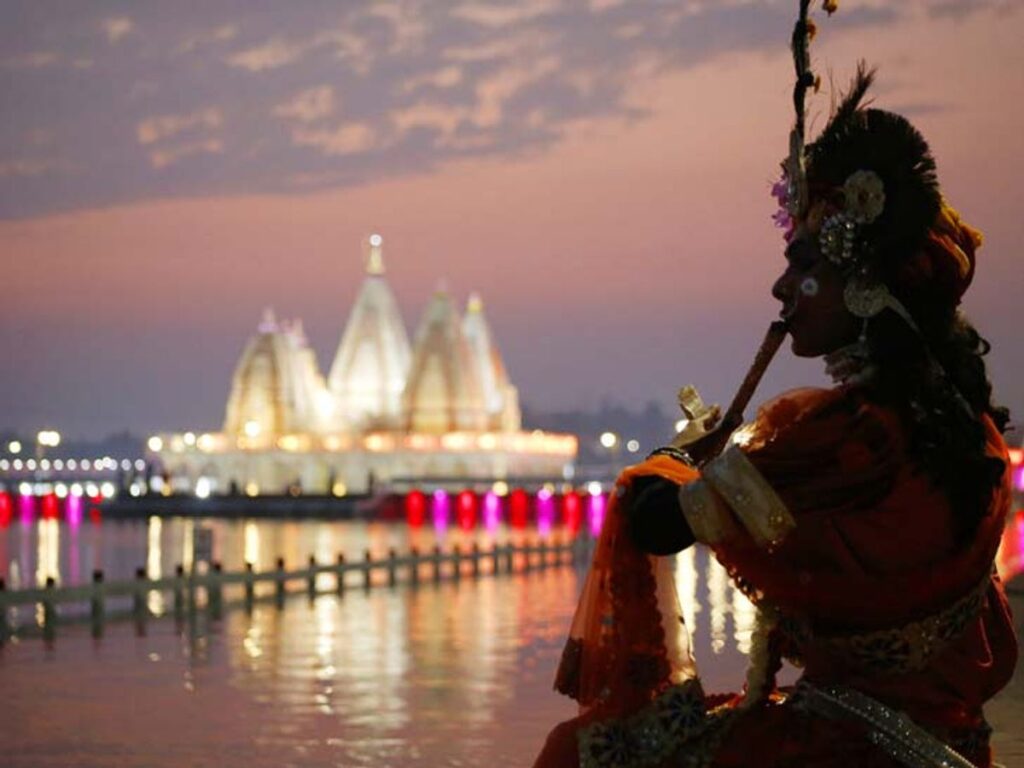
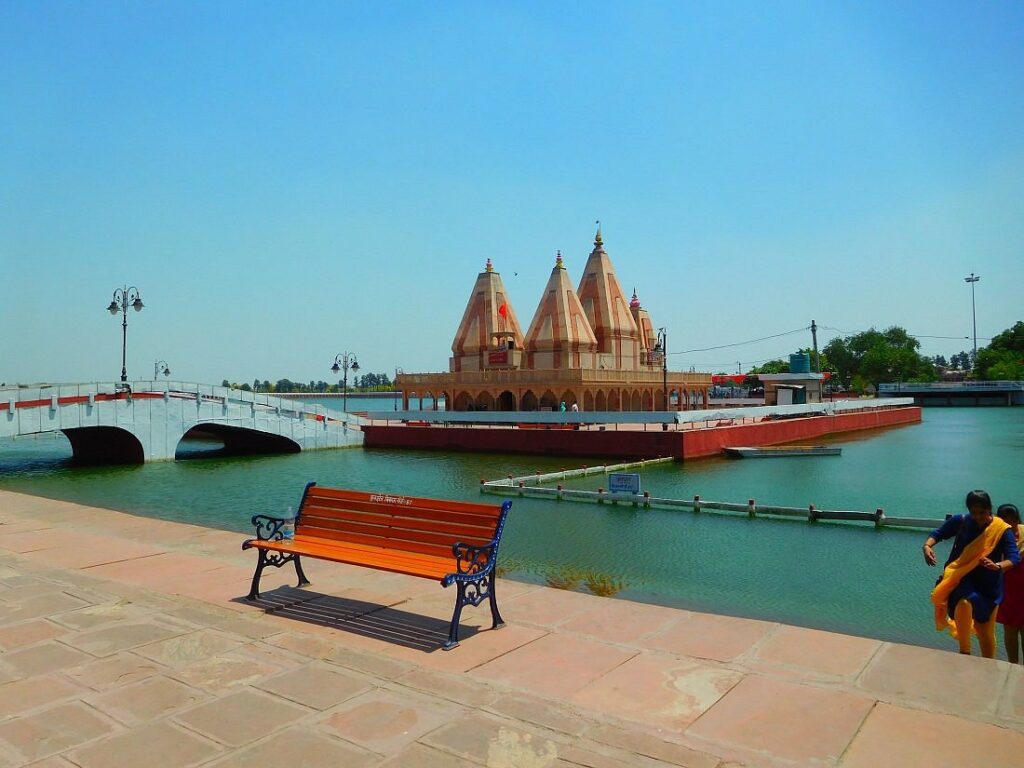
In Kurukshetra, Haryana, a grand Gita Mahotsav takes place with exhibitions, seminars, cultural programs, and Gita parayan. Thousands of devotees visit the Brahma Sarovar to take a holy dip and participate in celebrations.
5. Distribution of Prasad
Many temples distribute prasad and organize free langar or bhandara.
6. Online Celebrations
Since the last few years, many organizations and spiritual groups conduct online Gita Jayanti celebrations through live streaming, webinars, and mass chanting programs.
Importance of Bhagavad Gita in Daily Life
Teaches the Right Way to Live
The Gita teaches us how to face challenges bravely. It helps reduce stress, confusion, and fear.
Focus on Karma
The message of “Karma karo, phal ki chinta mat karo” is the foundation of a balanced life. It teaches us to focus on our duty and leave the results to God.
Mental Strength and Peace
The Gita offers simple yet deep wisdom on how to manage emotions, anger, and anxiety. Its teachings help in gaining inner peace.
Inspires Self-Discipline
The Gita encourages self-control, dedication, and discipline, which are important for personal and professional success.
Knowledge for Everyone
Whether a student, working professional, homemaker, or senior citizen, the Gita provides valuable lessons for all ages.
Conclusion
Gita Jayanti is not just a religious festival. It is a reminder of the powerful teachings of the Bhagavad Gita that guide us toward a purposeful life. This day honors the wisdom given by Lord Krishna to Arjun, which continues to inspire people around the world. The teachings of the Gita remain relevant, practical, and deeply meaningful even in today’s fast-paced world.
Celebrating Gita Jayanti helps us reconnect with our inner self, understand our duty, and live life with positivity, clarity, and faith. Whether you read one shloka or the entire book, the message of the Gita has the power to transform your thoughts and bring peace to your heart.