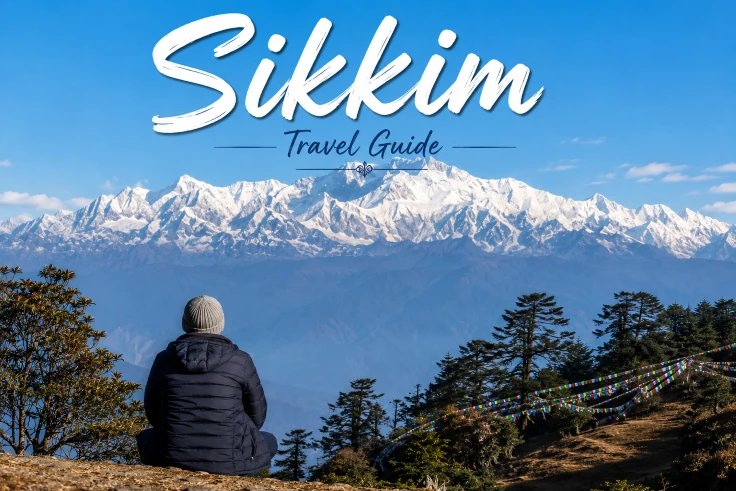
Sikkim is one of the most stunning and untapped states in the eastern Himalayas. From snow-capped peaks to pristine alpine valleys, ancient Buddhist monasteries to a unique mix of Buddhist, Nepali and Lepcha culture, Sikkim is as far removed from the conventional hill-station tourism as it is possible to be. It is a lot cleaner, quieter and more organized than most of the destinations in the Himalayas and is ideal for all travelers, both new and experienced.
Though Sikkim has become popular among many hill trips, yet it has retained its old charm without being commercialized and crowded. This is India’s 100% Organic state, the towns are amazingly clean and the people are truly proud of having visitors come respectfully into their culture.
So, if you’re looking for a Sikkim travel plan but aren’t sure where to begin, this short guide explains how to plan a trip, where to go, the permits you’ll need and when it’s best to go. This is your one-stop guide before packing your bags.
Best Time to Visit Sikkim
The climate of Sikkim is highly seasonal and the best time to visit can be the difference between a great and a bad experience.
One of the more popular seasons to visit is the spring (March-May). Valleys are transformed with the flowers of the rhododendrons, and the weather is nice, clear — perfect for mountain views and sightseeing.
The months of June, July and August are in the summer (monsoon) season. The landscape becomes green and lush, but if heavy rain occurs it can cause landslides, particularly in North Sikkim and some roads may become impassable. This is not the opportune time for a road trip but, if you are not averse to the rain, it is a quiet time.
It is fall (September to November) that is maybe the best of all seasons. The post-monsoon clear dry skies provide some of the best mountain seeing weather of the year, including beautiful views of Kanchenjunga. The weather is nice and warm and it’s because it is the peak season.
In the higher altitudes, like Lachen, Lachung and Yumthang Valley, you will find snowfall during winter (December to February). It’s a magical time for those who are traveling and seeking snow, but some of the higher elevation roads might not be open.
First time visit recommendation: October or November for reliable weather and excellent visibility. If flowers and greenery are more important than mountain views, it’s April and May for you.
Note also that the weather can change rapidly at higher elevations. Misty mornings and sunny afternoons in Gangtok can descend at higher altitudes, so please check the weather in advance before traveling to North Sikkim.
How to Reach Sikkim
Sikkim is well connected, albeit with a little planning since there is no direct rail or air connectivity in Sikkim State.
By Air: Pakyong Airport near Gangtok is the airport of Sikkim and has limited connectivity from major cities. Most of the visitors choose to fly at Bagdogra Airport in West Bengal, which is the closest major airport and then take a road trip to Gangtok (around 4-5 hrs).
By Train: Nearest railway station is New Jalpaiguri (NJP) in West Bengal. Then, shared jeeps or private jeeps take the rest of the way to Gangtok and further.
By Road: Regular shared jeeps and private taxi services are available for the whole day from Darjeeling and Siliguri. The journey is scenic as it passes through hills and tea plantations before reaching Sikkim.
Quick Comparison
Route | Best For |
From Bagdogra, take a taxi ride to Gangtok. | Fastest route |
After training at NJP, each shared their jeep. | Cheapest route |
Road tour from Darjeeling | Most scenic route |
No matter which path you take, make a reservation for future travel (taxi or shared jeep) in high season, when it comes to booking from Bagdogra or NJP, it gets tight.
Permits You’ll Need for Sikkim
Some permits are required for foreigners and Indians travelling to Sikkim as it shares its borders with international countries.
Inner Line Permit (ILP): It is compulsory for all Indian citizens other than Sikkimese to enter Sikkim. It is typically given on reaching checkpoints, such as Rangpo, or obtained online beforehand through the official Sikkim Tourism portal. Valid photo ID and passport size photographs will be required.
Protected Area Permit (PAP): Required for foreigners visiting restricted areas such as North Sikkim (Lachen, Lachung, Yumthang Valley) or Nathula Pass and for anyone (Indian or foreign) going there. This is normally done through a registered travel agency as travelers are NOT allowed to travel independently to these zones.
Common Errors to steer clear of
- Failure to have an adequate supply of passport photos.
- Not keeping original ID documents
- If permits can be processed in real-time, then allow for buffer time, particularly during peak season when checkpoints become extremely busy.
Consider taking photocopies of your ID card and extra passport photos as some checkpoints may require more than one copy. In case someone is travelling through a tour operator, the permit will be arranged by the tour operator itself for North Sikkim.
Sikkim’s best places to visit are listed here.
The capital and starting point of most travellers is Gangtok. Shop in the local market at MG Marg, visit Rumtek Monastery, and enjoy a cable car ride to get a bird’s eye view of the valley.
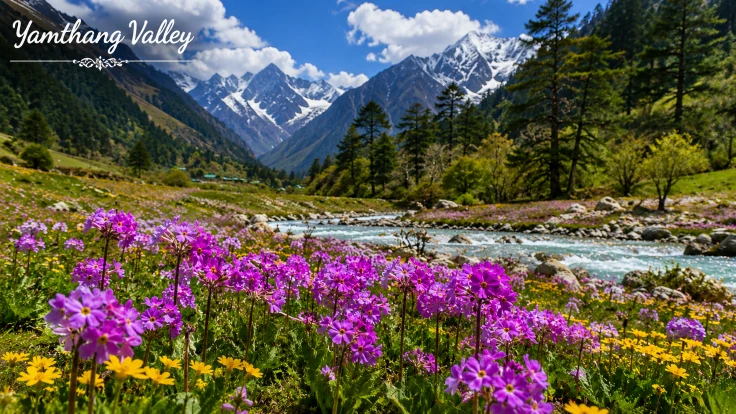
The area gets dramatic in North Sikkim. Lachen and Lachung are welcome villages to the highlands, and Yumthang Valley, which is also referred to as the “Valley of Flowers,” is renowned for its rhododendron flowers and its snowy backdrop.
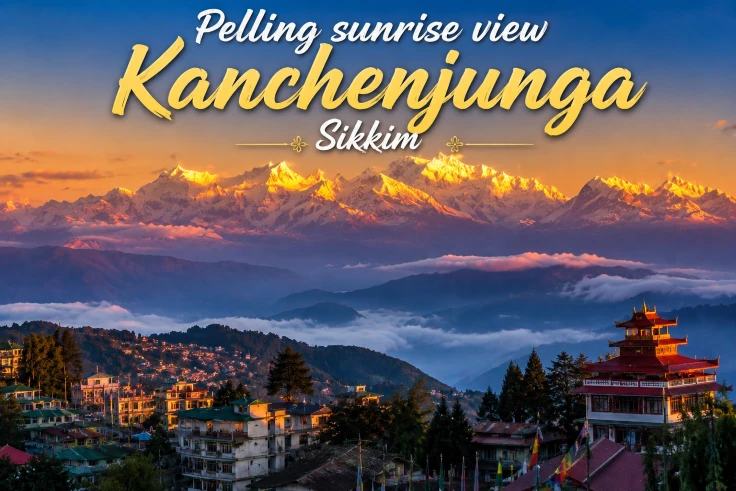
Pelling is one of the best spots to see sunrise of Kanchenjunga from West Sikkim and has some of the oldest monasteries such as Pemayangtse and Skywalk at Chenrezig.
If you want to stay away from the tours, Namchi and Ravangla are quieter and less visited places with giant statues, peaceful monasteries and expansive valley vistas.
In addition to these popular destinations, Sikkim has a number of less-traveled areas that are worth exploring. Other areas, such as Yuksom (formerly the capital) and the starting point of a number of treks or Zuluk, with their dramatic zig zag mountain roads, provide a more authentic and quieter aspect of the state.


Famous Food to Try in Sikkim
Food is an integral part of any visit to Sikkim, with a unique fusion of influences from the Nepali, Tibetan, Bhutia and Lepcha communities.
- Momos: The undisputed favorite: steamed or fried dumplings filled with vegetables, chicken or pork and topped with a fiery red chutney.
- Thukpa: A warming noodle soup, for cold evenings or in places that are higher up.
- Gundruk: is a fermented leafy green local specialty, which is worth trying at least once.
- Sael Roti: A traditional ring shaped rice doughnut, commonly eaten at festivals.
- Phagshapa: Hearty and warming Pork dish with radish and dry chillies, it is a Bhutia delicacy.
- Chhaang: Boiled fermented millet drink, often served warm, which is a favorite method for combating the chill in the mountains.
These dishes are generally available in the best authentic style at small local restaurants and homestay kitchens—at prices lower than in the touristy restaurants of Gangtok.
Where to Stay in Sikkim
The available accommodations are quite diverse based on the destination and desired experience.
The budget hotels and hostels are in Tadong and Ranipool (₹1,000-2500/-), the mid-range hotels are close to MG Marg (₹2,500-6,000/-) and the luxury budget hotels are in Kanchenjunga view and in-house spas are close to Sikkim Assembly and Enchey Monastery area (₹8,000+/night). Family-run homestays close by MG Marg are found to be available from ₹1200 per night and are capable of assisting you in arranging permits and transport, along with home-cooked meals.
There are a variety of hotels and homestays in Pelling and Namchi, many of which overlook Kanchenjunga, which is important to check when booking a room; otherwise, you may end up with a view of the wall. The homestays are positioned above the town of Pelling and provide garden and mountain views, with some providing nature walks up to waterfalls. Namchi has significantly less choice and has a few hotels with 3-star ratings, in the range of ₹3,000-5,000/night.
However, the remote location of the area and a simpler infrastructure make North Sikkim (Lachen and Lachung) depend mainly on basic guest houses and homestays (₹1,200 – 2,500/night). They are usually included with a package that contains permits to book independently, not common here — get these with a booker that is registered with the National Park. It’s also important for winter travellers to check heating facilities before booking as not every place is heated during the winter.
Other out-of-the-way towns have a more intimate experience of a home stay with small, family-owned establishments that fit in a similar price range as hotels, though, again, the meals are often homemade and thus the best local fare. Yuksom is also a fine base when travelling to the nearby sacred Khecheopalri Lake.
Wherever possible, stay at a homestay to experience Sikkimese hospitality in a true sense since they offer warm welcome, better food and a more authentic version of the local way of life when compared with hotels.
Sample Sikkim Itinerary
3-Day Quick Trip
Best when you’re pressed for time. Enjoy the days exploring Gangtok and other nearby attractions such as Tsomgo Lake and Baba Mandir, which will be day trips and not require overnight stays out of Gangtok.
5–7 Day Full Circuit
This includes Gangtok, North Sikkim (Lachen, Lachung, Yumthang) and West Sikkim (Pelling). This is the most sought after tour package for those who wish to experience Sikkim without any haste.
Rest days: With such a high altitude range, it is advisable to plan some rest days, particularly before going into the northern parts of Sikkim. Don’t rush to change altitudes or altitudes in succession as it may cause discomfort.
If you can extend your vacation for over a week, explore other, less hectic corners of West Sikkim or take a quick walk near Yuksom.
Practical tips while traveling in Sikkim:
- Budget: Sikkim can be visited comfortably on a middle budget, but tours to North Sikkim which may combine transport, accommodation and permits may be more expensive than travelling on their own to Gangtok or Pelling.
- Packing by season: Layers are the best choice all year round as the weather can change rapidly between valleys and higher elevations. Heavy woolens are suitable for trips to Winter and North Sikkim whereas light ones are suitable for spring and autumn.
- Connectivity: Reliable connectivity in towns such as Gangtok and Pelling, patchy to none existant, in remote areas such as Lachen, Lachung and higher altitude. If you have to remain in touch, plan accordingly.
- UPI and digital payments: These are accepted in Gangtok and Pelling, but in remote areas of North Sikkim, cash transactions are the main method of payment. It is recommended to make a withdrawal in advance before moving to the high-lying area as ATMs become few and far between.
The local dishes from Sikkim, influenced by Tibetan culture, is a highlight of the trip, as well as the accommodation. Wherever you go try momos, thukpa or gundruk. Staying in a homestay is more personalized and can be a more memorable experience than a traditional hotel, particularly in smaller towns such as Lachen or Yuksom.
- At least 5-7 days is recommended to travel Gangtok, North Sikkim and West Sikkim without any rush. With just 3 days to spend, one can have a good trip to Gangtok and its nearby places like Tsomgo lake, but will have to sacrifice on the North Sikkim valleys.
- Yes, you can only visit Gangtok with a permit. If you are an Indian citizen then you don’t need any separate permit for Gangtok but you will require an Inner Line Permit (ILP) to enter the state of Sikkim in the first place. Entry rule is different in some aspects for foreigners.
Yes, Sikkim is widely considered one of the safer states in India for solo travel, including for solo women travelers. Locals are generally welcoming, towns are clean and well-organized, and crime rates are low compared to many other tourist destinations.
December to February is your best bet for snowfall, particularly in higher-altitude areas like Lachen, Lachung, and Yumthang Valley. Keep in mind that some roads may become temporarily inaccessible during heavy snow, so build flexibility into your itinerary.
Sikkim can be traveled on a moderate budget overall. Gangtok and Pelling are relatively affordable with a range of budget to mid-range stays, while North Sikkim trips tend to cost more since permits, transport, and accommodation are usually bundled together as fixed packages.
Final Thoughts
Knowing what you want to do in Sikkim, when to do it, how to do it and getting your sorting permits in advance and timing your itinerary well will make your trip much smoother. From sweeping vistas of the mountains in Pelling to the high-altitude valleys in the North to the relaxed vibe of the Gangtok, Sikkim has got it all for every kind of traveller.
This is only the beginning of the guide. If you’re looking for more in-depth coverage of treks, local food, festivals and budget planning, check out the rest of our Sikkim travel series and begin your journey into the Himalayas.