The Best Places to Visit in Punjab During Guruparab offer a beautiful combination of spirituality, history, culture and devotion. During this special occasion, Punjab comes alive with beautifully illuminated Gurudwaras, melodious Gurbani, colourful Nagar Kirtans and the spirit of Seva. From the world-famous Golden Temple in Amritsar to the historic religious towns associated with the Sikh Gurus, every destination offers a unique experience that makes your journey truly memorable.
Guruparab, also known as Gurpurab, celebrates the birth anniversaries of the Sikh Gurus. Among these celebrations, Guru Nanak Dev Ji’s Prakash Purab holds special significance for devotees across the world. Thousands of people visit sacred Gurudwaras, participate in religious processions, listen to prayers and enjoy Langar during this auspicious occasion.
Whether you are planning a spiritual getaway with your family, exploring Sikh history or simply wishing to experience Punjab’s rich traditions, Guruparab is a wonderful time to visit the state. In this travel guide, we will explore the most important places to visit in Punjab during Guruparab, along with their historical significance, nearby attractions and useful travel tips to help you plan a memorable trip.
If you also want to explore Gurudwaras beyond Punjab, see our guide to the Best Gurudwaras to Visit in India During Guruparab
1. Amritsar: Experience the Divine Beauty of the Golden Temple
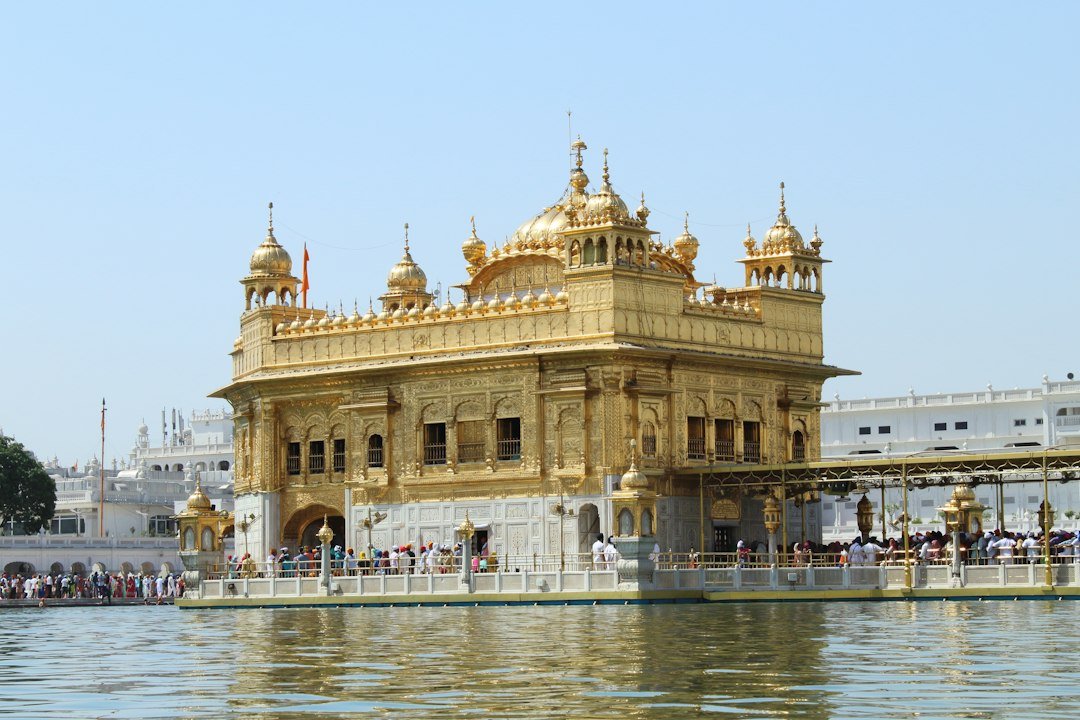
When we talk about the best places to visit in Punjab during Guruparab, Amritsar has to come first. It is home to Sri Harmandir Sahib, popularly known as the Golden Temple, and during Guru Nanak Dev Ji’s birth anniversary the city is one of the most spiritually vibrant places in the country.
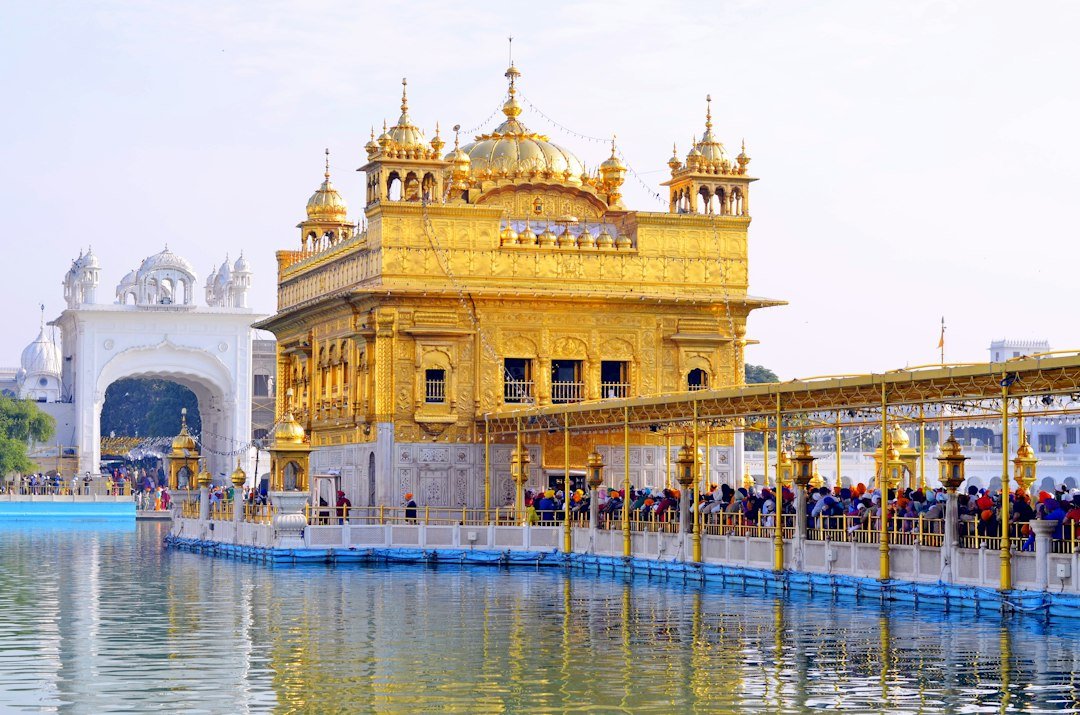
The Golden Temple looks breathtaking at this time of year. Its golden structure shines against the surrounding sacred water, while the air fills with Gurbani, prayers and devotional music. Thousands of devotees arrive to seek blessings and soak in the peaceful atmosphere.
What Makes Amritsar Special During Guruparab?
The celebrations at the Golden Temple are among the most memorable experiences of Guruparab. The complex is decorated with lights and flowers, and devotees gather to listen to the continuous recitation of Gurbani. Some experiences you should not miss:
- Darshan at Sri Harmandir Sahib: Feel the spiritual atmosphere of one of Sikhism’s holiest shrines.
- Guru Ka Langar: Join the community kitchen, where free meals are served to every visitor.
- Nagar Kirtan: Watch devotional processions with hymns and traditional displays.
- Akal Takht Sahib: Visit this important seat of Sikh religious authority inside the Golden Temple complex.
- Evening Palki Sahib: Experience the deeply moving ceremony of the Guru Granth Sahib.
Other Attractions in Amritsar
Do not stop at the Golden Temple. Jallianwala Bagh, the Partition Museum and the historic streets of the old city are well worth your time, and the Wagah-Attari Border ceremony is a popular evening outing. For more ideas, read our guide, Finding Amritsar: A Trip with History, Culture and Taste. You can also find official visitor information on the Incredible India page for Sri Harmandir Sahib.
Travel Tip: Guruparab draws big crowds, especially around the Golden Temple. Go early in the morning, keep some extra time for queues, and follow the Gurudwara’s rules on head coverings, footwear and respectful behaviour.
2. Sultanpur Lodhi: Walk Through the Sacred History of Guru Nanak Dev Ji
If you want to understand the life and teachings of Guru Nanak Dev Ji, Sultanpur Lodhi is an essential stop. This historic town in Kapurthala district is where he spent an important part of his early life. It is linked with his spiritual experiences and the start of his journey to spread a message of equality, humanity and devotion.
Important Places to Visit in Sultanpur Lodhi
- Gurudwara Ber Sahib: One of the most significant shrines in the town, traditionally associated with Guru Nanak Dev Ji’s time here. A historic Ber tree in the complex is an important part of local tradition.
- Gurudwara Sant Ghat: Linked with Guru Nanak Dev Ji’s spiritual experiences near the Kali Bein stream, and a quiet place to reflect on his message.
- Kali Bein: Closely tied to the spiritual history of Guru Nanak Dev Ji, and a good way to understand why this town matters.
Why Visit During Guruparab?
Guruparab is an especially meaningful time here because the town’s bond with Guru Nanak Dev Ji becomes the centre of devotional activity. You can join prayers and religious gatherings and enjoy the warm hospitality of local devotees.
Travel Tip: Give yourself enough time for the main Gurudwaras instead of rushing through. A quiet visit to the Kali Bein can make the journey even more meaningful.
3. Anandpur Sahib: Discover the Spiritual Heart of Sikh Heritage
Anandpur Sahib is among the most historically important religious destinations in Punjab. It lies in Rupnagar district near the Shivalik foothills and is deeply connected with Sikh history and the founding of the Khalsa. The town is best known for its Hola Mohalla celebrations, but it also makes an excellent stop on a Guruparab pilgrimage.

Must-Visit Attractions in Anandpur Sahib
- Takht Sri Kesgarh Sahib: One of the five Sikh Takhts and the town’s most important shrine. It is associated with Guru Gobind Singh Ji and the creation of the Khalsa in 1699. The peaceful surroundings and beautiful architecture make it a key stop for pilgrims.
- Gurudwara Sis Ganj Sahib: Marks the place linked with the cremation of Guru Tegh Bahadur Ji’s head after his martyrdom, and holds immense importance in Sikh history.
- Virasat-e-Khalsa: A remarkable museum on Sikh history, culture and heritage. Its striking architecture and exhibitions are especially interesting for families and younger travellers.
What to Experience During Guruparab
- Attend prayers and devotional programmes at Takht Sri Kesgarh Sahib
- Explore the town’s historic Gurudwaras
- Learn about Sikh history at Virasat-e-Khalsa
- Enjoy the peaceful surroundings near the Shivalik hills
Travel Tip: Travelling with children? Add Virasat-e-Khalsa to your plan. It is a great way to help them understand Sikh history beyond religious ceremonies.
4. Goindwal Sahib: Visit One of the Most Important Sikh Pilgrimage Sites
Goindwal Sahib, in Tarn Taran district, is another key stop for anyone exploring Sikh heritage. It is closely associated with Guru Amar Das Ji, the third Sikh Guru, and is best known for Baoli Sahib, a historic stepped well that draws devotees all year round.
Top Attractions in Goindwal Sahib
- Gurudwara Baoli Sahib: The most famous attraction in town. The historic stepped well has 84 steps and is tied to an important Sikh tradition. Devotees come to offer prayers and remember the Gurus’ teachings.
- Gurudwara Goindwal Sahib: A religious complex closely connected with Guru Amar Das Ji, and a good place to learn how Sikh institutions and the tradition of Langar developed.
A visit here adds historical depth to your journey. Compared with the larger, busier pilgrimage sites, it can also offer a quieter space for prayer and reflection.
Travel Tip: Combine Goindwal Sahib with Tarn Taran Sahib and other nearby shrines for a convenient pilgrimage route.
5. Tarn Taran Sahib: Admire the Beauty of a Historic Sikh Shrine
Tarn Taran Sahib is one of the most beautiful Sikh pilgrimage destinations in Punjab. The town is known for Gurudwara Sri Tarn Taran Sahib, established by Guru Arjan Dev Ji, the fifth Sikh Guru. The shrine is especially famous for its large sacred Sarovar, which reflects the building beautifully. During Guruparab the atmosphere becomes even more special as devotees arrive for prayers and religious activities.

What Makes Tarn Taran Sahib Worth Visiting?
- Gurudwara Sri Tarn Taran Sahib: The main attraction, known for its history and impressive architecture.
- Sacred Sarovar: Spend a few peaceful moments beside the large water tank next to the Gurudwara.
- Religious gatherings: Join devotional programmes and listen to Gurbani.
- Langar Seva: Experience the Sikh tradition of serving meals to everyone.
The town also gives you a glimpse of the religious and cultural heritage of Punjab’s Majha region.
Travel Tip: Tarn Taran Sahib is fairly close to Amritsar, so it fits easily into a two- or three-day Punjab pilgrimage.
6. Fatehgarh Sahib: Remember the Courage and Sacrifice of Sikh History
Fatehgarh Sahib is one of the most emotionally significant places in Sikh history. This town in Punjab’s Fatehgarh Sahib district is associated with the martyrdom of the younger Sahibzadas, Baba Zorawar Singh Ji and Baba Fateh Singh Ji, the sons of Guru Gobind Singh Ji. A visit here is more than a religious experience. It is a chance to understand the courage, faith and sacrifice that shaped Sikh history.
Important Places to Visit
- Gurudwara Fatehgarh Sahib: Commemorates the martyrdom of the younger Sahibzadas. Devotees visit throughout the year to pay their respects.
- Gurudwara Jyoti Sarup Sahib: Associated with the cremation of Mata Gujri Ji and the younger Sahibzadas, and another important place for understanding Sikh history.
Why Visit During Guruparab?
Fatehgarh Sahib is especially linked with the annual Shaheedi Jor Mela in December, but Guruparab is also a meaningful time to visit. The peaceful surroundings, devotional atmosphere and historical weight make it a valuable addition to your Punjab itinerary.
Travel Tip: Read about the Sahibzadas before you go. It will help you appreciate the place far more deeply.
7. Dera Baba Nanak: Explore a Destination Connected with Guru Nanak Dev Ji
Dera Baba Nanak, in Gurdaspur district near the India-Pakistan border, is an important destination for Sikh pilgrims. It is closely associated with the final years of Guru Nanak Dev Ji’s life. The town is also the Indian gateway to the Kartarpur Corridor, which gives eligible Indian pilgrims access to Gurdwara Darbar Sahib in Kartarpur, Pakistan, subject to the applicable travel arrangements and permissions.

Important Places to Explore
- Gurudwara Darbar Sahib, Dera Baba Nanak: A historic shrine where devotees offer prayers and experience the spiritual heritage of Guru Nanak Dev Ji.
- Kartarpur Corridor: One of the most meaningful pilgrimage routes for Sikh devotees, connecting Dera Baba Nanak with Gurdwara Darbar Sahib in Kartarpur, Pakistan.
If you want to follow in Guru Nanak Dev Ji’s footsteps, Dera Baba Nanak deserves a place on your list. Its religious importance and closeness to the international border make it unique.
Travel Tip: If you plan to visit Kartarpur Sahib, check the latest registration requirements, passport rules, permitted dates and travel arrangements before you go. Visiting Dera Baba Nanak does not automatically mean you can cross the border.
8. Khadur Sahib: Discover the Legacy of Guru Angad Dev Ji
Khadur Sahib, in Tarn Taran district, holds a special place in Sikh history. It is associated with Guru Angad Dev Ji, the second Sikh Guru, who spent an important part of his life here. He is remembered for promoting Gurmukhi, encouraging education and strengthening the teachings of Guru Nanak Dev Ji, so a Guruparab visit is a good chance to learn about his contribution.
Places to Explore in Khadur Sahib
- Gurudwara Darbar Sahib: The main shrine of Khadur Sahib, where devotees pray and remember the teachings of Guru Angad Dev Ji.
- Gurudwara Tapiana Sahib: Another important shrine tied to the religious history of the town.
- Gurudwara Mai Bharai Sahib: A historic site that is also worth including.
Khadur Sahib offers a quieter pilgrimage than the busy Golden Temple. It suits travellers who want to learn about the second Guru and the importance of education, discipline and community service in Sikhism.
Travel Tip: Khadur Sahib pairs well with Goindwal Sahib and Tarn Taran Sahib for a convenient religious tour of the region.
9. Talwandi Sabo: Visit Takht Sri Damdama Sahib
Talwandi Sabo, in Bathinda district, is one of the most important Sikh pilgrimage destinations in Punjab and home to Takht Sri Damdama Sahib, one of the five Sikh Takhts. It is historically linked with Guru Gobind Singh Ji, who stayed here after the Battle of Muktsar, and with the preparation of the final recension of the Guru Granth Sahib under his guidance.
Takht Sri Damdama Sahib is the main reason pilgrims travel here, and the complex becomes especially meaningful during important Sikh festivals. During Guruparab you can join prayers, listen to Gurbani and share Langar.

Why Should You Visit Talwandi Sabo?
- Explore one of the five Sikh Takhts
- Understand Guru Gobind Singh Ji’s connection with the town
- Experience traditional Sikh hospitality
- Spend peaceful time in the religious complex
Travel Tip: Talwandi Sabo lies away from the Amritsar to Anandpur Sahib circuit. If you want to include it, plan a separate trip rather than trying to cover everything in a short visit.
10. Chamkaur Sahib: Explore the Stories of Sikh Courage and Sacrifice
Chamkaur Sahib, in Rupnagar district, is linked with the Battle of Chamkaur, one of the most significant events in Sikh history. The battle is remembered for the extraordinary courage of Guru Gobind Singh Ji and his followers, and the sacrifice of the elder Sahibzadas, Baba Ajit Singh Ji and Baba Jujhar Singh Ji, makes this place deeply meaningful.
Important Places to Visit
- Gurudwara Katalgarh Sahib: Commemorates the martyrdom of the elder Sahibzadas and other Sikh warriors in the Battle of Chamkaur.
- Gurudwara Garhi Sahib: Associated with the historic fortress where the battle took place, and important for understanding the events of that time.
Although the town is mostly tied to Guru Gobind Singh Ji’s story, a Guruparab visit is a good chance to explore the wider teachings and heritage of Sikhism. Its historic Gurudwaras and peaceful surroundings suit families, history lovers and pilgrims alike.
Travel Tip: Combine Chamkaur Sahib with Anandpur Sahib if you are exploring the religious sites of Rupnagar district.
How to Plan a Punjab Guruparab Trip: A Practical Travel Itinerary
Covering every religious destination in Punjab takes several days because they are spread across different districts. Instead of rushing, plan your route by geography. Here are three suggested itineraries.
3-Day Punjab Guruparab Itinerary
| Day | Places to Visit |
|---|---|
| Day 1 | Golden Temple, Akal Takht and Jallianwala Bagh, Amritsar |
| Day 2 | Tarn Taran Sahib, Goindwal Sahib and Khadur Sahib |
| Day 3 | Sultanpur Lodhi and Gurudwara Ber Sahib |
This plan suits travellers who want to cover the key religious sites around Amritsar and the Doaba region.
5-Day Punjab Spiritual Tour
| Day | Places to Visit |
|---|---|
| Day 1 | Golden Temple and Amritsar attractions |
| Day 2 | Dera Baba Nanak and Gurudwara Darbar Sahib |
| Day 3 | Tarn Taran Sahib, Goindwal Sahib and Khadur Sahib |
| Day 4 | Sultanpur Lodhi and Kapurthala |
| Day 5 | Anandpur Sahib and Virasat-e-Khalsa |
This route gives you a broader introduction to Sikh history and Punjab’s religious heritage.
7-Day Punjab Religious and Heritage Tour
With a full week, you can add more places without making the trip too hectic.
- Day 1: Amritsar and the Golden Temple
- Day 2: Dera Baba Nanak
- Day 3: Tarn Taran Sahib and Goindwal Sahib
- Day 4: Khadur Sahib and Sultanpur Lodhi
- Day 5: Anandpur Sahib and Virasat-e-Khalsa
- Day 6: Chamkaur Sahib and Fatehgarh Sahib
- Day 7: Talwandi Sabo, if your transport and route planning allow the extra journey
Please note: These are suggested sightseeing combinations, not fixed tour routes. Talwandi Sabo is far from the other destinations, so a separate travel arrangement may be more practical.
Best Time to Visit Punjab During Guruparab
Guruparab follows the Sikh calendar. Guru Nanak Dev Ji’s Prakash Purab usually falls in October or November, though the exact date changes every year. It comes in the cooler months, which makes it a comfortable time to explore Punjab’s religious and historical sites. Here is what to expect:
- October: Pleasant daytime weather in many parts of Punjab, though temperatures can vary.
- November: Cooler mornings and evenings, with a festive mood around Guruparab.
- December: Cold weather, and a chance to visit more Sikh historical sites linked with the Shaheedi Jor Mela.
If you are planning around a specific Gurpurab event, check the official announcements for the exact schedule.
How to Reach Punjab for Guruparab Celebrations
Punjab is well connected to major Indian cities by air, rail and road.
- By Air: Sri Guru Ram Dass Jee International Airport in Amritsar is the most convenient entry point for the Golden Temple and nearby shrines. Chandigarh Airport works well for Anandpur Sahib and Fatehgarh Sahib.
- By Train: Amritsar, Jalandhar, Ludhiana, Bathinda and other major cities have railway connections. Pick your arrival station to suit your itinerary.
- By Road: A good road network links Punjab’s main towns and religious sites. Taxis, buses and private vehicles all work well, and you can plan a road trip from Delhi, Chandigarh, Haryana or Himachal Pradesh.
Essential Travel Tips for Visiting Punjab During Guruparab
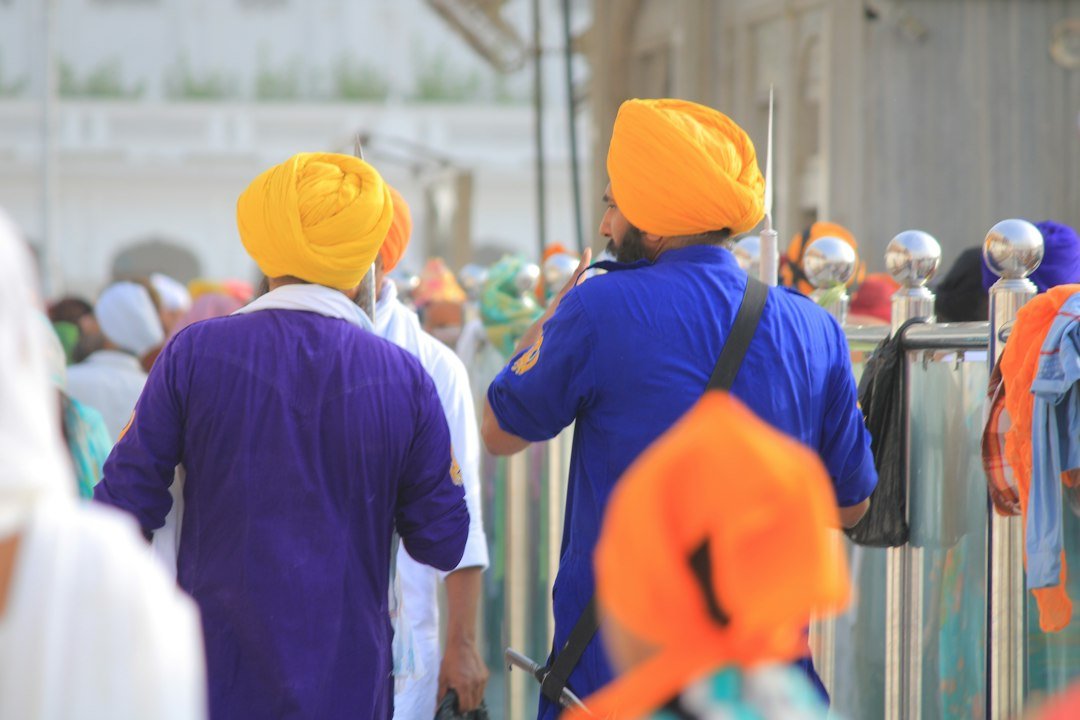
A little preparation makes your Guruparab journey more comfortable and meaningful. Thousands of devotees visit the major shrines during this festival, so keep these points in mind:
- Book accommodation early: Hotels and guesthouses near popular Gurudwaras fill up fast during Guruparab.
- Start sightseeing early: Early mornings help you avoid some of the crowds, though special ceremonies can draw visitors all day.
- Dress respectfully: Wear modest, comfortable clothing when visiting Gurudwaras.
- Cover your head: Carry a scarf or handkerchief. Head coverings are usually available at major shrines.
- Remove your footwear: Follow the shoe-storage arrangements before entering prayer areas.
- Join Langar: If you wish, volunteer in the community kitchen or simply share a meal with other devotees.
- Follow photography rules: Some areas restrict photography, so check the instructions at each shrine.
- Keep extra travel time: Nagar Kirtans, processions and heavy traffic can slow local travel.
- Respect religious traditions: Stay quiet in prayer areas and avoid disturbing devotees.
- Carry cash and digital payment options: Both come in handy for local transport, parking and small purchases.
Why Is Punjab Worth Visiting During Guruparab?
Punjab offers far more than beautiful religious buildings during Guruparab. It lets you understand the values of Sikhism through real experiences. Guru Nanak Dev Ji’s message of equality, compassion, honest living, remembrance of God and sharing with others can be felt in the traditions followed across the state.
Whether you are sitting quietly by the Golden Temple’s Sarovar, listening to Gurbani at Sultanpur Lodhi or learning Sikh history at Anandpur Sahib, every stop offers something meaningful.
Langar is especially special. People from different backgrounds sit together and share food without any distinction, and Seva invites every visitor to contribute through small acts of service. For families, Guruparab is also a lovely chance to introduce children to India’s religious heritage, history and cultural traditions.
Frequently Asked Questions (FAQs)
1. Is Guruparab a good time for a family trip to Punjab?
Yes, it is a wonderful time for a family visit. Children can learn about Sikh history, religious traditions, community service and the teachings of the Sikh Gurus while exploring important historical places.
2. Can non-Sikh tourists visit the Golden Temple during Guruparab?
Yes. The Golden Temple welcomes visitors of every religion and background. Everyone can enjoy its peaceful atmosphere, listen to Gurbani and share Langar, as long as they follow the religious guidelines.
3. Is it necessary to hire a tour guide for Punjab’s historical Gurudwaras?
No, it is not compulsory. A knowledgeable local guide can still help you understand the history of each shrine, the lives of the Sikh Gurus and the events linked with each place.
4. Can senior citizens comfortably visit the major Gurudwaras in Punjab?
Most major Gurudwaras welcome senior citizens, and many have ramps and assistance arrangements. Some complexes involve walking, steps or crowded areas, so check accessibility before you visit.
5. What should children learn about Guru Nanak Dev Ji during a Punjab trip?
Children can learn about his teachings of equality, kindness, honesty, sharing and helping others. Visiting Sultanpur Lodhi, the Golden Temple and other historic shrines makes these lessons more meaningful.
6. Can I take part in Seva and Langar during Guruparab?
Yes. Visitors are generally welcome to join Seva according to each Gurudwara’s arrangements, such as serving food or cleaning utensils. Follow the volunteers’ instructions and respect local traditions.
Conclusion
Punjab during Guruparab is not just a sightseeing destination. It is a journey through faith, history, humanity and devotion. From the Golden Temple in Amritsar to the historic streets of Sultanpur Lodhi, the spiritual calm of Anandpur Sahib and the moving stories of Fatehgarh Sahib, every place offers a different view of Sikh heritage.
If you are visiting this Guruparab, make time to go beyond the popular attractions. Visit the smaller historic towns, share Langar, listen to Gurbani and enjoy the warmth of Punjabi hospitality.
Most of all, let your trip be about more than ticking places off a list. Take time to understand Guru Nanak Dev Ji’s teachings and experience the beautiful traditions of equality, compassion and Seva. Plan your Punjab trip this Guruparab and bring home memories that go far beyond photographs.