
If your idea of a holiday does not involve queueing for the same photo as everyone else, the hidden places in India are where you should be looking. Beyond Manali, Shimla, Goa and Jaipur, there are quiet valleys, river islands, heritage towns and sleepy coastal villages where life still moves at its own pace.
Picture waking up to misty mountains, walking beside a clear river or watching the sun go down on an almost empty beach. More and more travellers want exactly that kind of trip, and the good news is that India has plenty of it, from remote Himalayan villages to ancient towns that most itineraries skip.
Whether you are travelling with family, planning a romantic break, going solo or heading out with friends, there is something here for you. Here are 15 lesser-known places and what makes each one worth the detour.
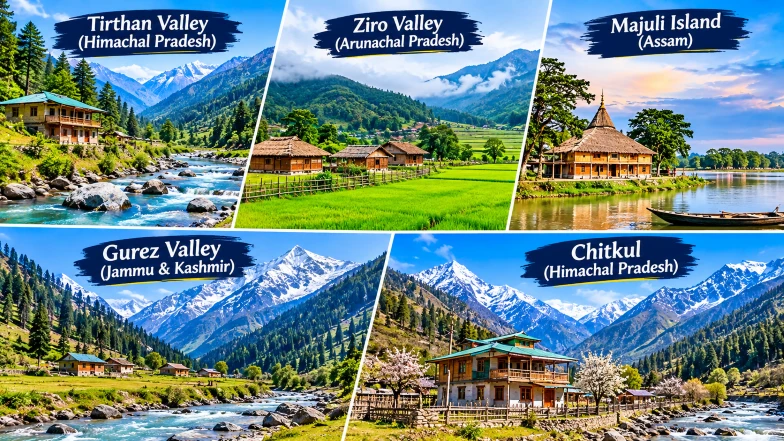
1. Tirthan Valley, Himachal Pradesh: A Peaceful Himalayan Escape
Tirthan Valley in Kullu district is a calm alternative to Himachal’s crowded hill stations. Forests, mountains and the Tirthan River set the mood, and the pace is gentle: spend your mornings by the water, wander through nearby villages or just sit on the porch of a riverside homestay. It is also the gateway to the Great Himalayan National Park region, rich in wildlife and birdlife. If you like this kind of place, our guide to hidden places near Kasol is a good next read.
- Walk along the Tirthan River
- Explore traditional Himalayan villages
- Stay in a riverside homestay
- Go trekking or birdwatching, and fishing where permitted
Best time to visit: March to June and September to November.
How to reach: Bhuntar Airport is the nearest airport. From there, go by road via Aut and Banjar to Gushaini.
2. Ziro Valley, Arunachal Pradesh: Rice Fields and Tribal Culture
Ziro is one of the loveliest corners of Northeast India, with rolling green hills, pine forests and terraced rice fields. It is best known for the Apatani community and their traditional farming. Here you can learn how people actually live rather than just look at scenery.
- Visit Apatani villages such as Hong and Hari
- Look out over the green rice fields
- Explore Talley Valley Wildlife Sanctuary
- Catch the Ziro Music Festival if your dates match
Best time to visit: March to May and September to November.
How to reach: Lilabari Airport and Naharlagun railway station are the usual entry points, followed by a road journey.
Travel tip: Arunachal Pradesh needs a permit. Indian visitors generally need an Inner Line Permit, while foreign visitors should check the Protected Area Permit rules.
3. Majuli Island, Assam: Life on a River Island
Majuli sits in the middle of the Brahmaputra and feels a world away from the mainland. Its heart is the Satras, Vaishnavite monasteries that keep Assamese art, music, dance and devotion alive. Add quiet villages, river views and local crafts, and you have a trip for slow travellers.
- Visit Auniati Satra and Kamalabari Satra
- See traditional mask-making workshops
- Watch sunsets over the Brahmaputra
- Pick up local pottery and handicrafts
Best time to visit: October to March.
How to reach: Reach Jorhat first, then take the ferry from Nimati Ghat. Ferry timings depend on river conditions, so check before you travel.
4. Gurez Valley, Jammu and Kashmir: A Hidden Mountain Paradise
While most people head to Srinagar, Gulmarg and Pahalgam, Gurez stays blissfully quiet. Dramatic mountains, wooden houses and the Kishanganga River make it a photographer’s dream, and the pyramid-shaped Habba Khatoon peak watches over the valley.
- Enjoy views of Habba Khatoon Mountain
- Explore Dawar, the main settlement
- Learn about Dard-Shina culture
- Visit Tulail Valley, subject to road access
Best time to visit: May to September, depending on road conditions.
How to reach: Fly to Srinagar, then drive via Bandipora over Razdan Pass.
Travel tip: Snow and weather can close the road at short notice, so check current road conditions and local travel rules before setting out.
5. Chitkul, Himachal Pradesh: Life at the Edge of the Himalayas
Chitkul in Kinnaur is often called the last inhabited village on the old Hindustan-Tibet route, close to the Indo-Tibetan border. Snowy peaks, wooden houses, apple orchards and the Baspa River frame it. It turns green in summer and white in winter, and stays peaceful either way.
- Stroll beside the Baspa River
- See traditional Kinnauri houses
- Visit the Mathi Temple
- Try local food and mountain photography
Best time to visit: April to June and September to October.
How to reach: Most travellers get to Shimla or Rampur first, then continue through Sangla Valley.
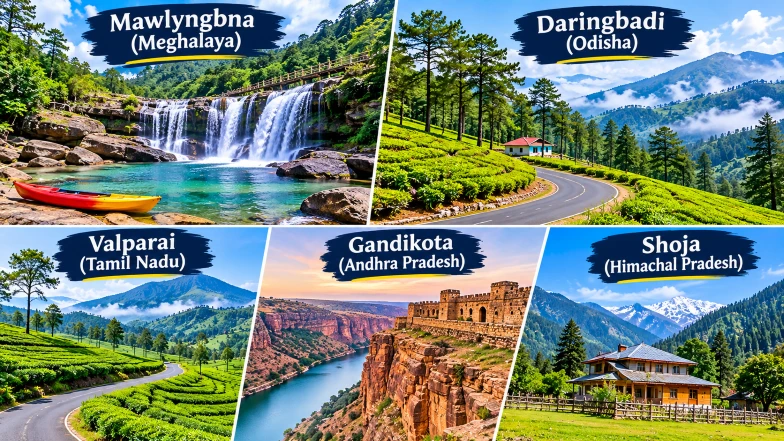
6. Mawlyngbna, Meghalaya: A Hidden Natural Treasure
Meghalaya is famous for Shillong, Cherrapunji and Dawki, but Mawlyngbna in the East Khasi Hills is still off most radars. Expect forests, natural pools, waterfalls and a community-run tourism model, plus a fossil-rich landscape that tells an old geological story.
- Swim and explore natural pools and waterfalls
- Try guided kayaking and outdoor activities where available
- Look for local fossil sites
- Enjoy village hospitality and nature walks
Best time to visit: October to April.
How to reach: Fly into Guwahati, drive to Shillong and continue by road to the village.
7. Daringbadi, Odisha: The Kashmir of Odisha
Daringbadi in Kandhamal district earns its nickname with pine forests, coffee plantations, green valleys and a cool climate. It is a quiet hill station in eastern India, perfect if you want mountains without the North Indian crowds.
- Walk through the pine forests
- Visit coffee and spice plantations
- Watch the view from Hill View Park
- Meet local tribal culture and try regional food
Best time to visit: October to February.
How to reach: Bhubaneswar has the nearest major airport and Berhampur is a handy railway point. The final stretch is by road.
8. Valparai, Tamil Nadu: A Quiet Escape into Tea Gardens
Valparai, high in the Anamalai Hills, wraps you in tea estates, forests and waterfalls. The drive up from Pollachi, with its many hairpin bends, is half the fun. You may spot elephants, lion-tailed macaques and plenty of birds around Anamalai Tiger Reserve.
- Wander through tea estates
- Visit Sholayar Dam and viewpoints
- Take scenic drives through the hills
- Stay somewhere green and quiet
Best time to visit: September to March.
How to reach: Coimbatore is the nearest major airport and railway hub. Drive via Pollachi.
9. Gandikota, Andhra Pradesh: India’s Grand Canyon
You do not need a passport to see a canyon. In Kadapa district, the Pennar River has carved a dramatic gorge through red sandstone cliffs, with an old fort and temples watching over it. Sunrise and sunset here are something special.
- Take in views of the Pennar gorge
- Explore Gandikota Fort
- Visit Ranganatha Swamy Temple and the old Jamia Masjid
- Shoot sunrise and sunset photos
Best time to visit: October to February.
How to reach: Kadapa is the most convenient railway point. Bengaluru and Tirupati also work as entry points.
10. Shoja, Himachal Pradesh: Big Mountain Views, Small Village
Shoja, in the Seraj Valley near Jalori Pass, is all cedar forest, wooden houses and Himalayan views. There is no busy market and no packed sightseeing list, which is the whole appeal: you come here to breathe, walk and do very little.
- Drive up to Jalori Pass
- Trek to Serolsar Lake
- Walk in the surrounding forests
- Stay in a mountain homestay and eat Himachali food
Best time to visit: March to June and September to November.
How to reach: Bhuntar is the nearest major airport. Go by road via Aut and Banjar.
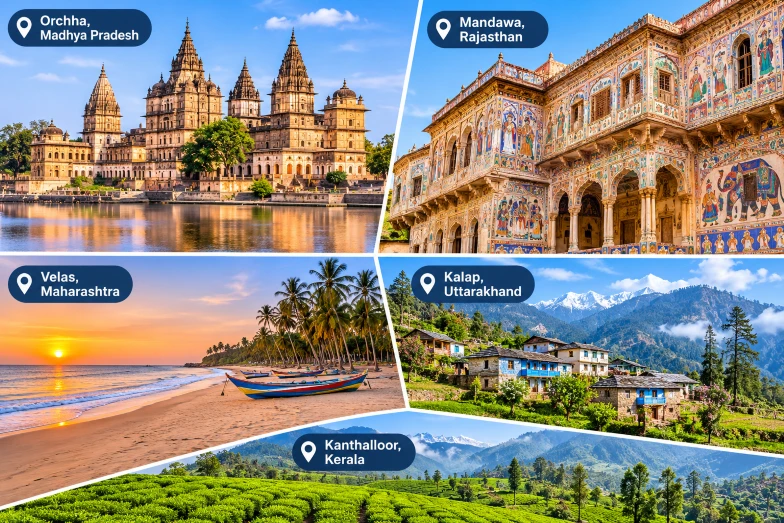
11. Orchha, Madhya Pradesh: A Heritage Town Away from the Rush
Orchha sits on the Betwa River and carries the story of the Bundela rulers in its palaces, temples and cenotaphs. Travellers often rush to Khajuraho or Gwalior and skip it, which is their loss and your gain.
- Explore the Orchha Fort complex
- See Raja Mahal and Jahangir Mahal
- Admire Chaturbhuj Temple
- Watch the chhatris glow at sunset
Best time to visit: October to March.
How to reach: Jhansi is the nearest major railway station, about 15 to 20 km away.
12. Mandawa, Rajasthan: The Painted Havelis
Skip the crowds of Jaipur and Udaipur for a day and come to Mandawa in the Shekhawati region. Wealthy merchant families once built mansions here, and many still carry colourful frescoes of history, myth and everyday life. Walking the streets feels like strolling through an open-air gallery.
- Explore Mandawa Fort
- Visit the Hanuman Prasad Goenka Haveli
- Admire Shekhawati fresco paintings
- Stay in a heritage property and browse local markets
Best time to visit: October to March.
How to reach: Jaipur is the main airport and railway access point. Mandawa is also reachable by road from Delhi.
13. Velas, Maharashtra: A Peaceful Coastal Village
Love beaches but not the Goa buzz? Velas, in Ratnagiri district, is a quiet Konkan village known for its olive ridley turtle conservation work and the turtle festival that celebrates baby turtles reaching the sea. Sightings are never guaranteed, so follow conservation guidelines and keep away from nesting sites.
- Walk the peaceful Konkan coastline
- Learn about olive ridley conservation
- Experience village life by the sea
- Eat authentic Konkani food
Best time to visit: November to February for comfortable weather. Turtle experiences depend on the nesting and hatching season.
How to reach: Mangaon is a useful railway point, followed by a road journey.
14. Kalap, Uttarakhand: A Remote Himalayan Village
Kalap, deep in the Tons Valley of Uttarkashi district, is for travellers who want a genuine village stay. Forests, mountains and traditional houses surround it, and tourism here is community-led. Facilities are basic and the journey is long, but that is exactly why it stays unspoiled.
- Enjoy mountain and valley views
- See traditional village architecture
- Walk forest trails with a local guide
- Learn about farming and village life
Best time to visit: March to June and September to November.
How to reach: Dehradun is the main access point. Continue by road towards Uttarkashi and the Tons Valley, then arrange local transport to the village.
15. Kanthalloor, Kerala: A Quiet Hill Escape
Everyone knows Munnar, Alleppey and Wayanad. Kanthalloor in Idukki district is calmer, with a cool climate, fruit orchards and vegetable farms that grow produce you would not expect in Kerala. Nearby Marayoor is known for its natural sandalwood forests. For more offbeat Kerala ideas, see our guide to hidden places in Kerala.
- Visit fruit orchards and farms
- Take peaceful countryside drives
- Explore Marayoor and its sandalwood forests
- Enjoy views of the Western Ghats
Best time to visit: October to March.
How to reach: Coimbatore and Kochi are the airport options. Munnar and Marayoor give convenient road access.
Best Time to Visit These 15 Hidden Places in India
The right season makes a big difference. Use this table for a quick plan, and check weather and road conditions before you finalise dates.
| Destination | Best Time to Visit |
|---|---|
| Tirthan Valley | March to June, September to November |
| Ziro Valley | March to May, September to November |
| Majuli Island | October to March |
| Gurez Valley | May to September |
| Chitkul | April to June, September to October |
| Mawlyngbna | October to April |
| Daringbadi | October to February |
| Valparai | September to March |
| Gandikota | October to February |
| Shoja | March to June, September to November |
| Orchha | October to March |
| Mandawa | October to March |
| Velas | November to February |
| Kalap | March to June, September to November |
| Kanthalloor | October to March |
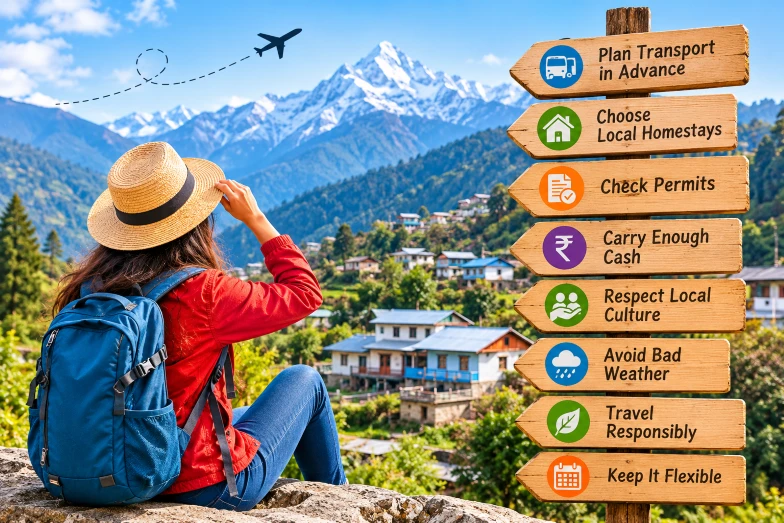
Smart Tips for Visiting Less Crowded Destinations
Offbeat travel is rewarding, but it asks for a little more planning. These habits help:
- Check transport early. Buses and shared taxis can be few and far between, so confirm schedules before you arrive.
- Stay in local homestays. They support the community and are the best source of food and sightseeing advice.
- Confirm permits. Northeast India and border regions may need special permission.
- Carry enough cash. ATMs and digital payments can be unreliable in remote villages.
- Respect local customs. Ask before photographing people or private property, and dress appropriately at religious places.
- Watch the weather and keep your plan flexible. Mountain roads, rivers and trails can turn risky after heavy rain or snow, so allow extra time for delays.
Above all, travel gently. Avoid littering, never disturb wildlife, and hire local guides where you can, so these places stay special for the next traveller.
Final Thoughts
You do not always need a famous name to have a memorable holiday. From the mountains of Tirthan and Chitkul to the culture of Majuli and Ziro, each of these 15 hidden places in India offers something different: natural beauty, local traditions and a break from the crowds.
So next time you plan a trip, look beyond the usual circuit. Pick one of these places, go at your own pace, and see the side of India that many travellers never discover.
Frequently Asked Questions (FAQs)
Are these hidden destinations suitable for senior citizens?
Some are. Orchha, Mandawa and Majuli can suit senior travellers. Remote Himalayan villages, however, may mean rough roads, steep walks and limited medical facilities, so choose according to mobility and comfort.
Which hidden places in India are good for a family holiday?
Tirthan Valley, Daringbadi, Valparai, Orchha and Kanthalloor are good family options. They mix natural beauty, sightseeing and relaxed stays, but plan travel around the needs of children and older family members.
Can I reach these offbeat destinations by public transport?
Partly. Trains, buses and ferries get you close to places like Majuli, Orchha and Mandawa, but the last stretch often needs a local taxi or private vehicle. Remote villages usually need extra arrangements.
What should I pack for remote destinations?
Pack comfortable walking shoes, weather-appropriate clothes, personal medicines, a reusable water bottle, a power bank and some cash. For mountain trips, add warm layers and rain protection.
How do I find reliable accommodation in lesser-known places?
Look for verified homestays and guesthouses on established booking platforms, read recent reviews, and contact the property directly to confirm facilities and transport before you book.
How many days should I plan for an offbeat destination?
Three to five days works for most places. Remote spots like Gurez, Ziro and Kalap need extra days because of long road journeys and limited transport.