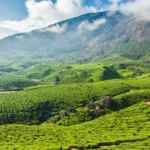
The Char Dham Yatra 2026 is one of the most sacred pilgrimages in India. Located in the beautiful Himalayan region of Uttarakhand, the Char Dham circuit includes four holy shrines:
- Yamunotri Temple
- Gangotri Temple
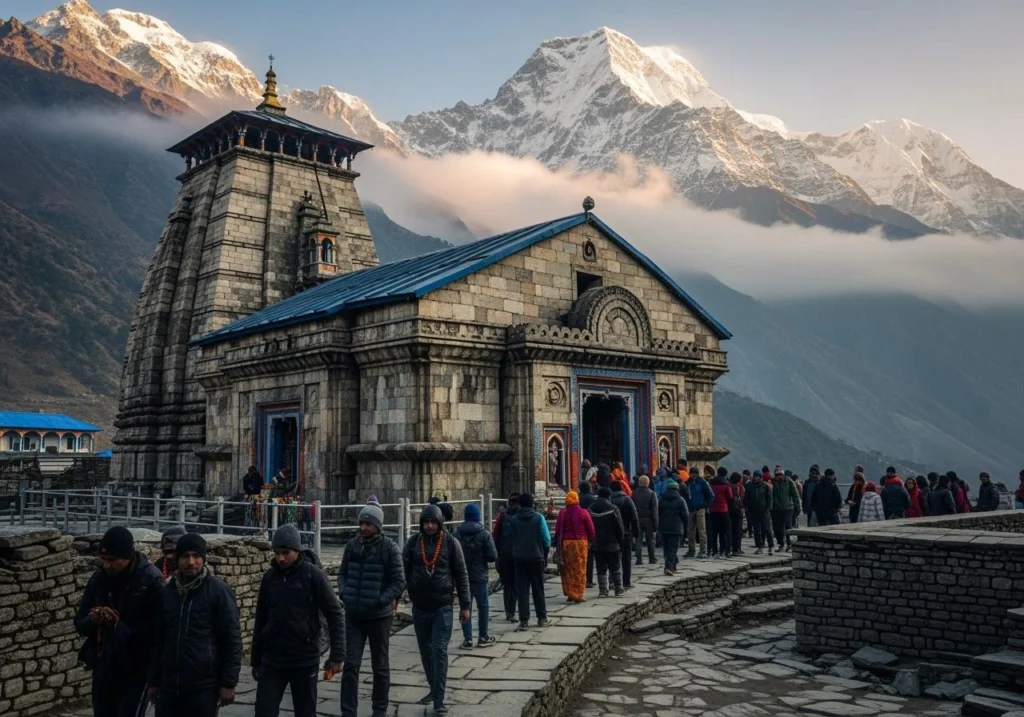
- Kedarnath Temple
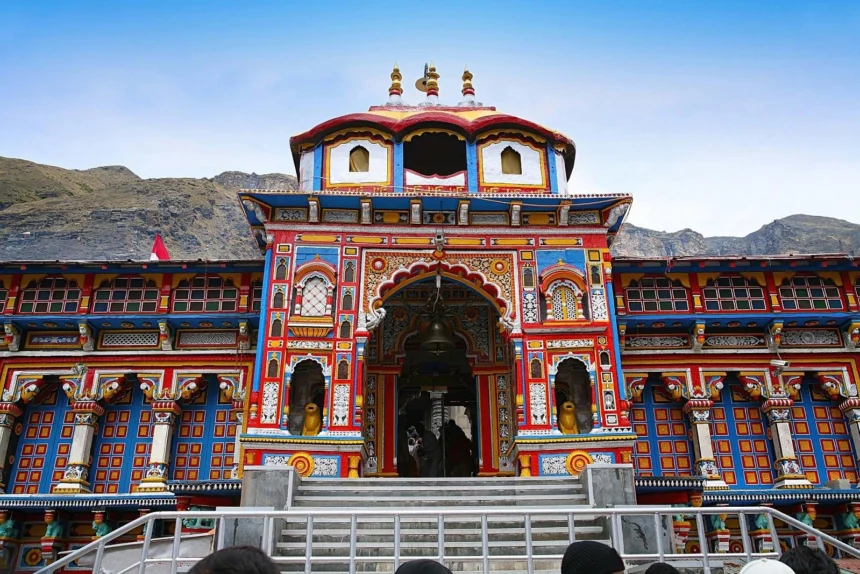
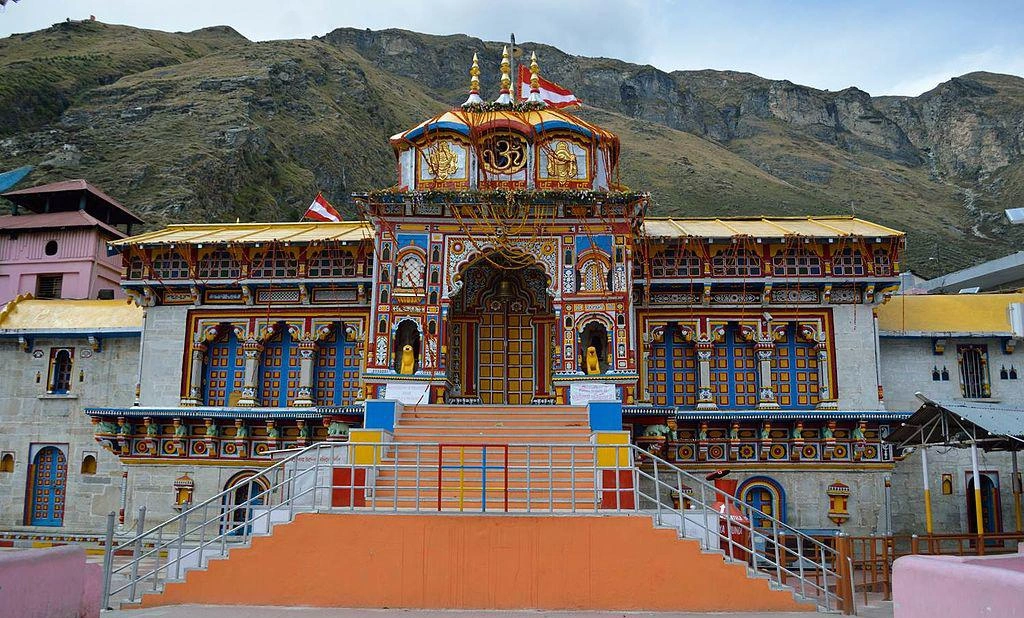
- Badrinath Temple
Every year, millions of devotees undertake this spiritual journey to seek blessings and experience the breathtaking beauty of the Himalayas. If you are planning your Char Dham Yatra in 2026, this guide covers everything—from registration and route planning to essential travel tips and common mistakes you must avoid.
What is Char Dham Yatra?
Char Dham refers to the four sacred temples of Uttarakhand. According to Hindu beliefs, completing this pilgrimage helps devotees attain spiritual peace and divine blessings.
The Four Dhams
1. Yamunotri: Dedicated to Goddess Yamuna, Yamunotri is the first destination of the yatra. The temple is surrounded by snow-capped peaks and natural hot springs.
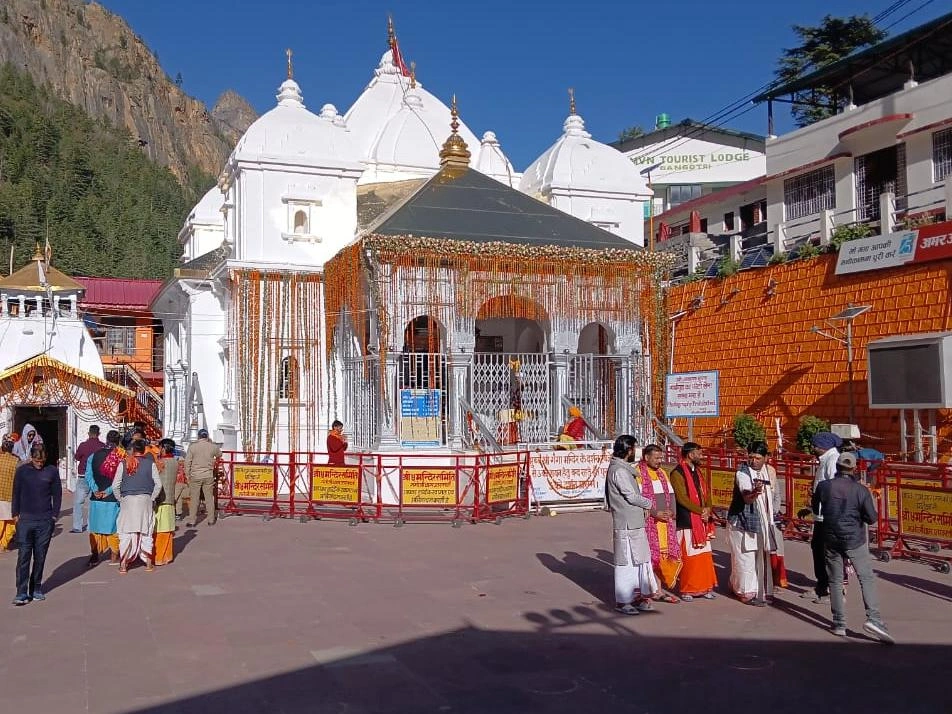
2. Gangotri: Gangotri is dedicated to Goddess Ganga. It is believed to be the place where the River Ganga descended to Earth.
3. Kedarnath: One of the twelve Jyotirlingas of Lord Shiva, Kedarnath is among the most revered temples in India.
4. Badrinath: Dedicated to Lord Vishnu, Badrinath is the final stop of the Char Dham circuit.
Correct Char Dham Yatra Route
Many first-time travelers make the mistake of visiting the temples in the wrong sequence.
The traditional and recommended order is:
Haridwar/Rishikesh → Yamunotri → Gangotri → Kedarnath → Badrinath → Haridwar
Following this route reduces travel complications and aligns with traditional pilgrimage customs.
Char Dham Yatra Registration 2026
Registration is mandatory for all pilgrims.
Why Registration is Important
- Pilgrim safety tracking
- Emergency assistance
- Crowd management
- Faster verification at checkpoints
Documents Required
- Aadhaar Card
- Voter ID
- Passport
- Driving License
- Passport-size photograph
- Mobile number
Register well in advance to avoid last-minute issues.
Best Time to Visit Char Dham in 2026
May to June
Pros
- Pleasant weather
- Temple activities in full swing
Cons
- Heavy crowds
- Long queues
- Higher hotel prices
September to October
Pros
- Fewer pilgrims
- Better hotel availability
- Beautiful mountain views
- Less traffic
Cons
- Cooler temperatures
For a peaceful experience, September and October are often considered the best months.
7 Common Mistakes to Avoid During Char Dham Yatra
Mistake #1: Delaying Registration
Many pilgrims assume they can register later. During peak season, delays can lead to travel complications and verification issues.
Solution: Complete registration before your trip.
Mistake #2: Visiting During Peak Rush Without Planning
Traveling in May and June without advance bookings can result in:
- Long waiting times
- Expensive accommodations
- Traffic jams
Solution: Book hotels and transport early or choose September–October.
Mistake #3: Following the Wrong Temple Sequence
Some travelers directly head to Kedarnath first.
Correct Order:
Yamunotri → Gangotri → Kedarnath → Badrinath
This saves time and avoids logistical challenges.
Mistake #4: Keeping a Tight Schedule
Mountain weather can change rapidly.
Unexpected events include:
- Landslides
- Road blockages
- Heavy rainfall
- Helicopter cancellations
Solution: Keep at least 1–2 buffer days in your itinerary.
Mistake #5: Ignoring Physical Fitness
The Kedarnath trek is approximately 16–18 km and can be demanding.
Prepare by:
- Walking daily
- Practicing light cardio
- Improving stamina
- Staying hydrated
Mistake #6: Carrying Inadequate Clothing
Weather in the Himalayas changes quickly.
Carry:
- Thermal wear
- Waterproof jacket
- Woolen cap
- Gloves
- Raincoat
- Trekking shoes
Even during summer, nights can be cold.
Mistake #7: Underestimating Altitude
High-altitude locations may cause:
- Fatigue
- Breathlessness
- Headaches
- Dizziness
Tips:
- Drink sufficient water
- Avoid overexertion
- Take proper rest
- Consult a doctor if you have health concerns
Suggested 10-Day Char Dham Itinerary
Day 1: Arrival in Haridwar or Rishikesh: Begin your spiritual journey by arriving in Haridwar or Rishikesh. Spend the day exploring famous ghats, temples, and local markets. Attend the mesmerizing Ganga Aarti at Har Ki Pauri in Haridwar or Triveni Ghat in Rishikesh. Rest overnight and prepare for the pilgrimage ahead.
Day 2: Haridwar/Rishikesh to Barkot: After an early breakfast, drive towards Barkot, a scenic hill town located near Yamunotri. Enjoy breathtaking views of mountains, valleys, and rivers throughout the journey. Check into your hotel and relax for the night to prepare for the Yamunotri trek.
Day 3: Yamunotri Darshan and Return to Barkot: Start early and drive to Janki Chatti, the base point for the Yamunotri trek. Trek approximately 5-6 km to reach Yamunotri Temple. Seek blessings from Goddess Yamuna and visit the sacred Surya Kund hot spring. After darshan, trek back to Janki Chatti and return to Barkot for an overnight stay.
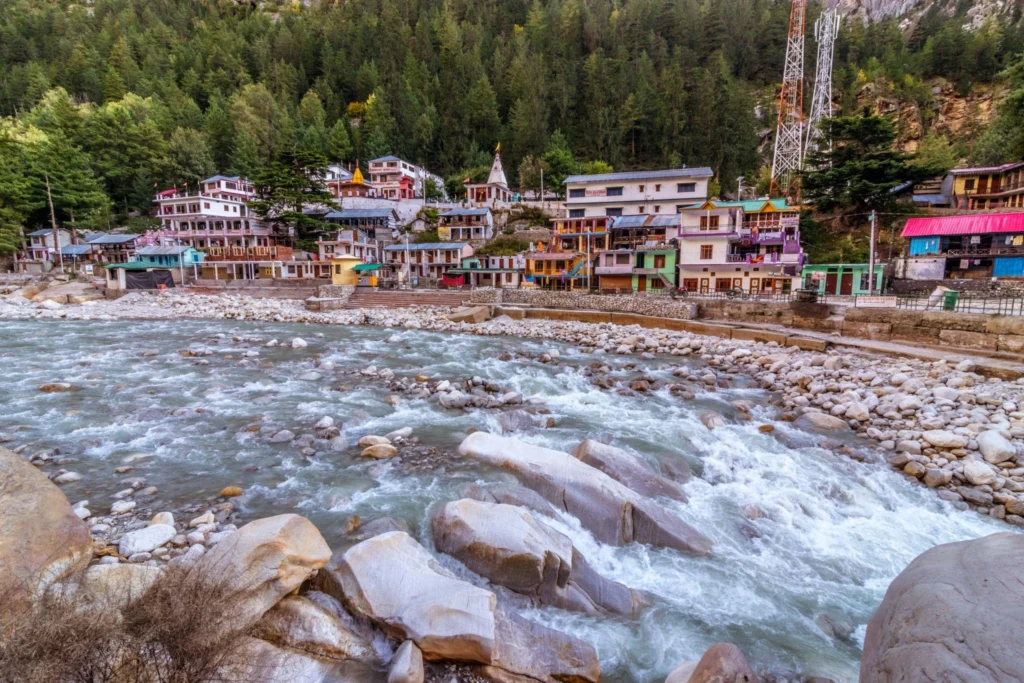
Day 4: Barkot to Uttarkashi: Leave Barkot after breakfast and proceed towards Uttarkashi, a beautiful town situated on the banks of the Bhagirathi River. Visit the famous Kashi Vishwanath Temple and explore the peaceful surroundings. Check into your hotel and rest overnight.
Day 5: Gangotri Darshan and Return to Uttarkashi: Begin your journey to Gangotri Temple, one of the holiest shrines dedicated to Goddess Ganga. Enjoy the stunning Himalayan landscapes along the route. After offering prayers and spending time by the sacred river, return to Uttarkashi for dinner and an overnight stay.
Day 6: Uttarkashi to Guptkashi: Today involves a longer but scenic drive to Guptkashi. The route passes through picturesque mountain roads, river valleys, and charming villages. Upon arrival, visit the ancient Vishwanath Temple and Ardhnarishwar Temple if time permits. Stay overnight in Guptkashi.
Day 7: Kedarnath Trek and Overnight Stay: Early in the morning, travel to Sonprayag and then Gaurikund, the starting point of the Kedarnath trek. Trek approximately 16-18 km to reach Kedarnath Temple, one of the twelve Jyotirlingas of Lord Shiva. Attend the evening aarti if possible and stay overnight near the temple.
Day 8: Kedarnath to Guptkashi: Wake up early for morning darshan at Kedarnath Temple. After seeking blessings, begin the trek back to Gaurikund. From there, drive to Guptkashi. Relax and recover from the trek while enjoying the peaceful mountain atmosphere. Overnight stay in Guptkashi.
Day 9: Guptkashi to Badrinath: After breakfast, proceed towards Badrinath, the final destination of the Char Dham Yatra. Upon arrival, take a holy dip in Tapt Kund before visiting Badrinath Temple. Explore nearby attractions such as Mana Village, Vyas Gufa, and Bhim Pul. Stay overnight in Badrinath.
Day 10: Badrinath to Haridwar/Rishikesh: After morning darshan at Badrinath Temple, begin your return journey to Haridwar or Rishikesh. Reflect on the spiritual experiences and breathtaking Himalayan landscapes encountered during the pilgrimage. Your memorable Char Dham Yatra 2026 concludes upon arrival.
Travel Tips for Char Dham Yatra 2026
- Start your journey early in the morning.
- Check weather forecasts regularly.
- Book accommodations in advance.
- Carry extra cash as digital payments may not work everywhere.
- Respect local customs and temple rules.
- Avoid littering in the Himalayan region.
- Stay hydrated throughout the journey.
Conclusion
The Char Dham Yatra 2026 is much more than a pilgrimage—it is a journey through faith, devotion, and the majestic Himalayas. Proper planning, timely registration, and avoiding common mistakes can make your experience safer and more memorable. Whether you are visiting for spiritual reasons or to witness Uttarakhand’s stunning landscapes, the Char Dham circuit offers an unforgettable experience.
Plan Your Spiritual Journey with Destinations Desire
Looking for more travel guides, pilgrimage tips, and destination insights? Visit Destinations Desire for detailed itineraries, travel advice, and the latest updates to make your next adventure seamless and memorable.