Your best travel story of 2027 may begin where the road signs get smaller and the crowds begin to thin. That is the charm of offbeat destinations in India. You could spend one evening under the Milky Way in Ladakh, another beside a river in Himachal, or cycle past quiet villages on an island in Assam.
Why Choose Offbeat Destinations in India in 2027?
India’s famous places are famous for good reason. But some wonderful experiences wait well beyond them. Here, your host may cook your dinner, a boatman may point you in the right direction, and a 5,000-year-old city may feel like your own discovery.
Your money can also support small towns and village businesses. In return, these trips ask for a little more planning and patience.
This list covers 10 places across the Himalayas, western, central and southern India, and the Northeast. “Offbeat” doesn’t always mean empty, so expect more people on weekends, holidays and festival days. Want even more ideas? Explore our list of 15 hidden places in India away from tourist crowds.
10 Best Offbeat Destinations in India at a Glance
| Destination | State or UT | Best for | Good time to go |
|---|---|---|---|
| Gurez Valley | Jammu and Kashmir | Mountain villages | June to September |
| Hanle | Ladakh | Stargazing | June to September |
| Tirthan Valley | Himachal Pradesh | Riverside nature | March to June, September to November |
| Dholavira | Gujarat | Ancient history | November to February |
| Mandu | Madhya Pradesh | Romantic architecture | July to February |
| Lonar | Maharashtra | Geology and birds | October to February |
| Gandikota | Andhra Pradesh | Canyon views | October to February |
| Majuli | Assam | River island culture | October to March |
| Ziro Valley | Arunachal Pradesh | Culture and green valleys | March to May, September to November |
| Unakoti | Tripura | Rock carvings | October to April |
1. Gurez Valley, Jammu and Kashmir
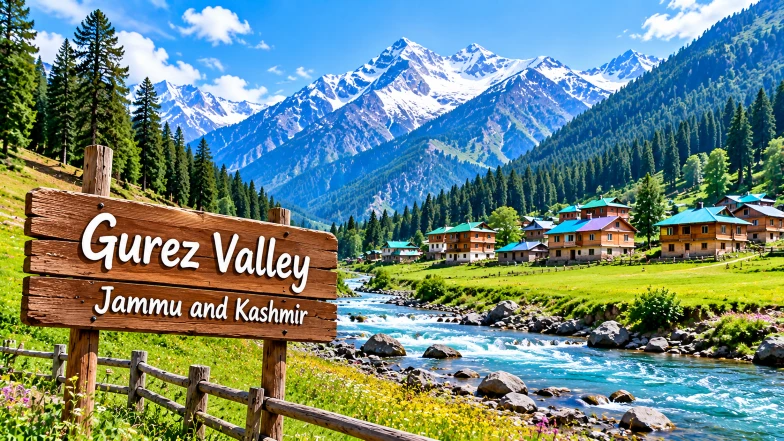
Gurez feels like the Kashmir of old storybooks. The Kishanganga River runs through the valley, wooden houses sit below steep slopes, and the pyramid-shaped Habba Khatoon peak watches over it all. The peak is named after the much-loved Kashmiri poet-queen.
The journey is part of the thrill. The road from Srinagar climbs through Bandipora and over Razdan Pass to Dawar, the main settlement. It is about 140 km, so keep most of a day for the drive.
What to do: Walk beside the river, explore Dard villages, drive towards the Tulail Valley and enjoy home-style local food.
Know before you go: Winter snow regularly disrupts the road. Gurez lies close to the Line of Control, so carry your original photo ID. Check the latest permit, registration and road rules with the Bandipora administration before leaving.
2. Hanle, Ladakh
If you have never seen the Milky Way clearly, Hanle may change the way you look at the night. This remote village in eastern Ladakh is home to the Indian Astronomical Observatory and lies within the Hanle Dark Sky Reserve. Wide plains, quiet homes and a hilltop monastery make the days just as beautiful.
What to do: Join a local stargazing session, visit Hanle Monastery and ask about visitor access at the observatory. Plan around a new moon for darker skies.
Know before you go: Hanle sits more than 4,000 metres above sea level. Spend at least two days acclimatising in Leh, and ask a doctor whether the altitude is safe for you. Permit rules have changed in recent years, so check the official Ladakh permit portal for the current fee and route selection, and confirm access locally. At night, avoid bright torches and unnecessary headlights.
3. Tirthan Valley, Himachal Pradesh
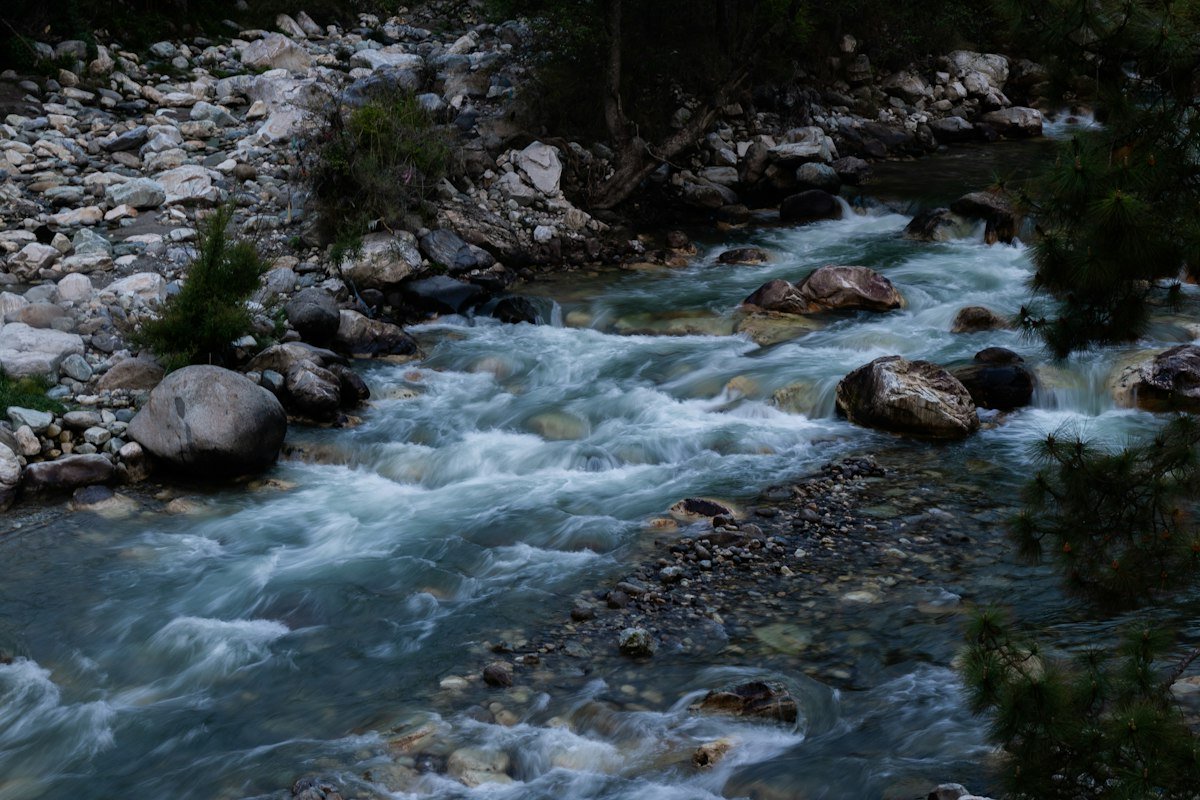
Tirthan is for travellers who want the Himalayas without a packed mall road. A clear, fast river sets the pace here. Wooden homestays, orchards and forest trails make it easy to stay longer than planned. The valley is also a gateway to the Great Himalayan National Park, a UNESCO World Heritage Site.
Most visitors come by road through Aut, on the Chandigarh-Manali route. The nearby airport is at Bhuntar.
What to do: Take a guided nature walk, visit village temples, watch birds or simply read beside the river.
Know before you go: Check entry and trekking rules before visiting protected areas. Mountain roads and streams can become risky in the monsoon. The current can be strong, so enjoy the river from a safe spot.
4. Dholavira, Gujarat
Dholavira takes you back around five thousand years. This Harappan city on Khadir Bet in Kutch is a UNESCO World Heritage Site. Its reservoirs and water channels show how carefully people planned life in a dry land. You can also see the remains of a citadel, residential areas and a large open ground often called a stadium.
Gujarat Tourism’s Dholavira guide puts it about 250 km from Bhuj via Bhachau and Rapar. There may be shorter road options, so check the route and road conditions locally.
What to do: Explore the ruins with a guide, visit the site museum and enjoy the Rann landscape around Khadir Bet.
Know before you go: There is little shade among the ruins. Start early, carry water and wear a hat. Winter is far more comfortable than summer.
5. Mandu, Madhya Pradesh
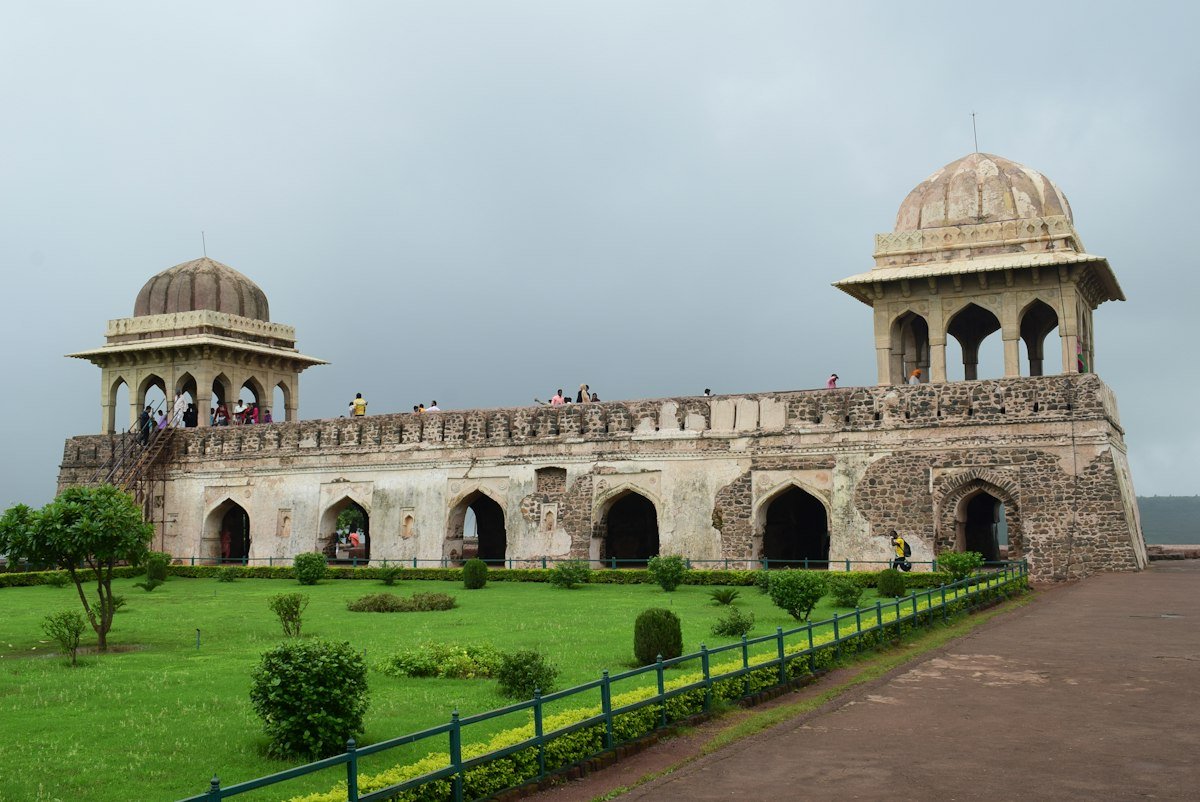
Mandu is a hilltop town where stone palaces and love stories share the same landscape. It is closely linked with the legend of Sultan Baz Bahadur and Rani Roopmati. Jahaz Mahal, or Ship Palace, seems to float between two water bodies, especially after good rain.
It lies about 95 km from Indore airport, which makes it one of the easier trips on this list.
What to do: See Jahaz Mahal, Hindola Mahal, Hoshang Shah’s Tomb, Jami Masjid and Roopmati Pavilion. Hire a bicycle if the weather is pleasant.
Know before you go: The monsoon turns Mandu green and misty, while winter is better for long, dry days of sightseeing. Stay at least one night to enjoy a quieter evening and morning.
6. Lonar, Maharashtra
Imagine standing at the edge of a bowl created by an object from space. Lonar Lake fills a meteorite impact crater in basalt rock, about 1.8 km across. Its water is salty and alkaline, and forests and old temples surround it. The lake is also a recognised Ramsar wetland.
Chhatrapati Sambhajinagar, formerly Aurangabad, is a practical starting point for a road trip.
What to do: Walk along the rim, look for birds and peacocks, and visit the carved Daitya Sudan Temple in town. A local guide can explain how the crater formed.
Know before you go: Wear shoes with a good grip and ask which trails are open. Do not swim in the lake or collect rocks. Keep your voice low in wildlife areas.
7. Gandikota, Andhra Pradesh
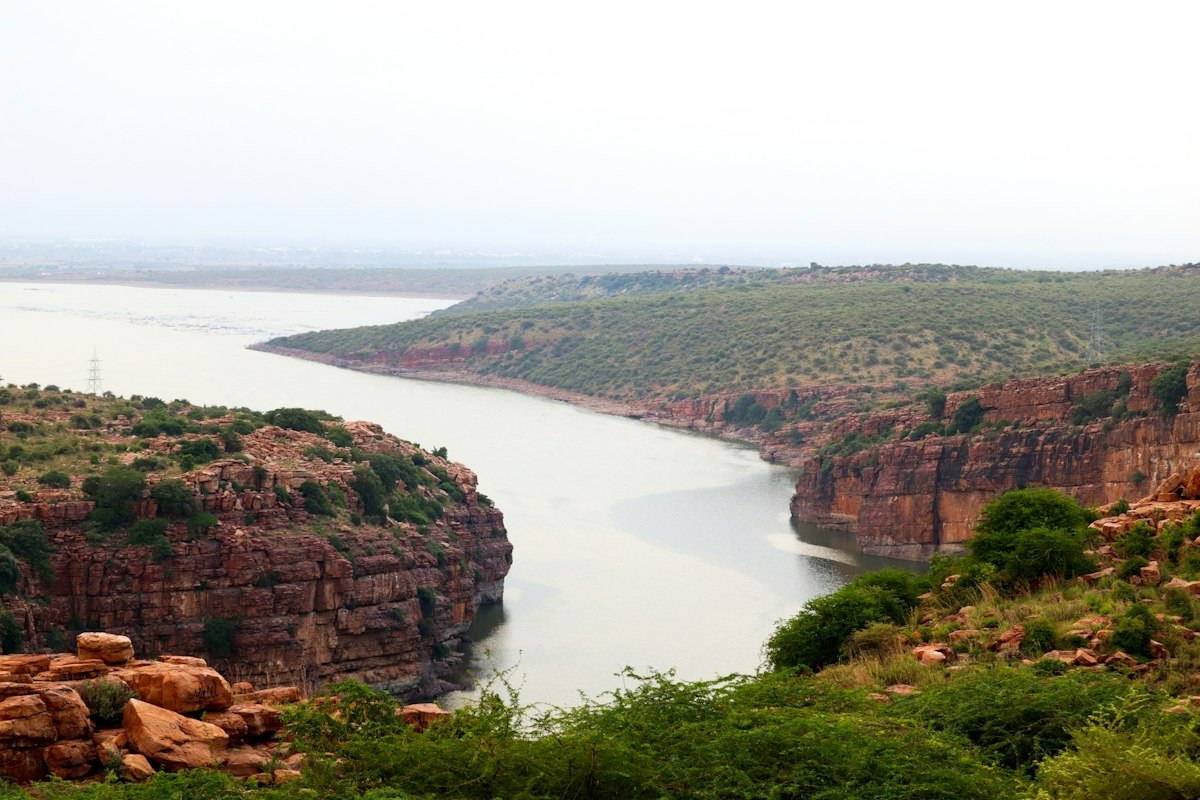
At Gandikota, the Penna River cuts a dramatic path between layers of red rock. People often call it India’s Grand Canyon, but the old fort gives it a character of its own. Inside the fort area, you can see the Madhavaraya Temple, Jamia Masjid and a large granary.
The village is about 16 km from Jammalamadugu and 85 km from Kadapa airport.
What to do: Watch the sunrise over the gorge, walk through the fort and photograph the changing colours of the rocks.
Know before you go: Many cliff edges are exposed. Never climb out for a risky selfie, especially in wind or rain. If you plan to camp, choose an authorised operator and check the latest local rules.
8. Majuli, Assam
Majuli is a large river island in the Brahmaputra, where life moves with the water. It is a living centre of Assam’s Vaishnavite culture. Its satras, or monastic institutions, preserve music, dance, theatre and traditional arts. At Samaguri Satra, you can learn about the island’s well-known mask-making tradition.
What to do: Cycle between villages, visit satras, meet mask makers and watch the sunset over the wetlands. Raas Mahotsav, usually held in November, brings stories of Lord Krishna to life through performances. If you love local celebrations, see our guide to fascinating winter festivals in India.
Know before you go: From Jorhat, ferries leave from Nimati Ghat. Timings can change with river and weather conditions, so don’t plan around the last boat. River erosion is a serious local concern. Choose locally run stays and treat the island gently.
9. Ziro Valley, Arunachal Pradesh
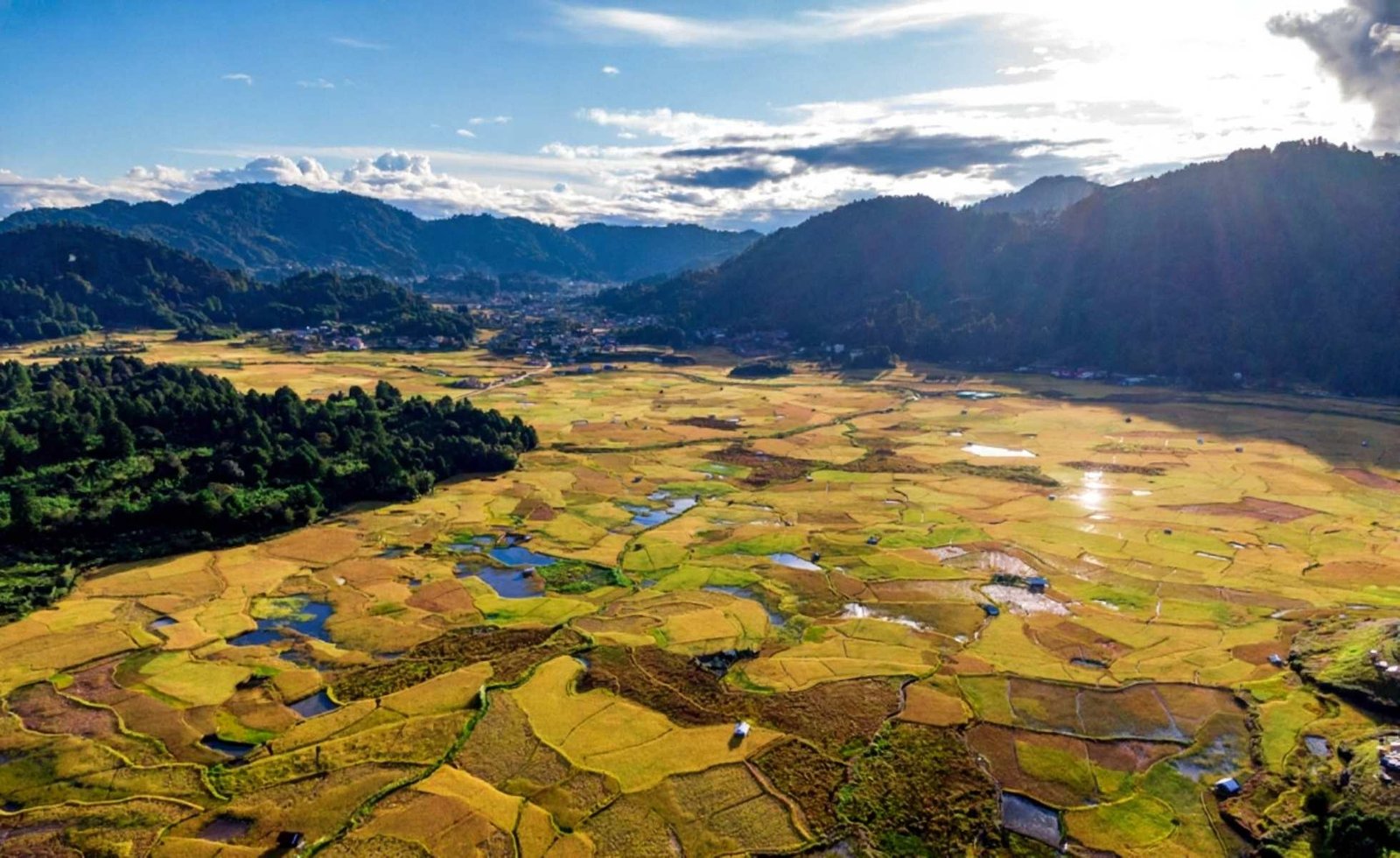
Ziro is a gentle patchwork of rice fields, bamboo groves and pine-covered hills. It is home to the Apatani community, known for its skilful farming that combines paddy cultivation with fish rearing. The valley invites you to slow down and learn.
What to do: Walk through villages with a local guide, see the paddy fields and try Apatani food. Music lovers can consider the Ziro Festival of Music, usually held in late September. Confirm the 2027 dates before booking.
Know before you go: Indian visitors need an Inner Line Permit, while foreign visitors should check the current entry rules. Naharlagun is a useful railhead. Always ask before photographing people, especially elders.
10. Unakoti, Tripura
Among Tripura’s green hills, giant faces look out from the rock. Unakoti is a Shaivite pilgrimage site known for its huge rock reliefs and stone sculptures, with a large head of Shiva among its best-known sights. Its name means “one less than a crore”, and local legends add to the mystery. The carvings are generally dated to the 7th to 9th centuries, and the site is on UNESCO’s Tentative List.
It is near Kailashahar, about 178 km from Agartala. To plan more stops, read about the best places to visit in Tripura.
What to do: Explore the carvings slowly and hear the legends from a local guide. The Ashokashtami fair, usually held in spring, offers a lively view of local devotion.
Know before you go: Expect steps and uneven ground. Wear comfortable shoes, and do not touch or climb on the carvings.
How to Choose Your 2027 Offbeat Trip
Start with the experience you want, then check the season and travel time.
- For mountain calm: Choose Tirthan for an easier nature break or Gurez for a more remote journey.
- For night skies: Choose Hanle, with enough time to acclimatise.
- For history: Pick Dholavira, Mandu or Unakoti.
- For unusual landscapes: Visit Lonar or Gandikota.
- For local culture: Plan a slow trip to Majuli or Ziro.
With only two or three days, pick a place close to your starting city. For remote mountain or Northeast journeys, keep five days or more where possible, with a spare day for weather or transport delays. Travelling in the colder months? Compare more ideas in our guide to the best winter destinations in India.
Smart Tips for Responsible Offbeat Travel
- Check permits, road conditions and weather close to your travel date.
- Download offline maps and carry some cash, as mobile data may be unreliable.
- Book local homestays and guides when you can, and confirm directions with them.
- Carry a refillable bottle and take non-biodegradable waste to a proper disposal point.
- Dress and behave respectfully in villages and at monasteries, satras and temples.
- Check drone rules and get any required approval before flying. Border and heritage areas may restrict or ban drones.
Final Thoughts: Take the Road Less Travelled
The best offbeat places offer more than quiet photographs. Gurez shows you the beauty of a remote valley, Majuli introduces you to a living culture, and Dholavira reminds you how old and inventive India’s story is.
You don’t need to visit all 10 in 2027. Choose one that truly interests you, give it time and travel with curiosity. A chat with your host or an unplanned sunset may become the part you remember most.
Which offbeat place is on your 2027 list? Tell us in the comments and share this guide with your favourite travel partner.
Frequently Asked Questions (FAQs)
Are offbeat places in India suitable for solo travellers?
Many can work well for prepared solo travellers, but conditions differ. For a first solo trip, pick a place with simpler transport, such as Mandu. Read recent stay reviews, arrive in daylight and share your itinerary with someone you trust. Arrange your return transport before visiting isolated spots.
Which of these destinations are easier for families with senior citizens?
Mandu is a good option because you can plan short sightseeing stops by car, although some monuments involve steps and walking. High-altitude Hanle and uneven sites like Unakoti need more care. Match the plan to each person’s health and mobility.
How far in advance should I book an offbeat trip?
For festivals, long weekends and peak season, try to book two to three months ahead. Small places may have only a few good rooms. Choose flexible bookings where possible, especially if your route depends on mountain roads, ferries or flights.
How can I estimate the budget for an offbeat holiday?
Add up travel to the nearest hub, local transfers, stays, meals, guides, entry fees and permits. Keep an extra 15 to 20 percent for delays. Remote places aren’t always cheaper, as a private taxi can become a major expense.
Can vegetarian travellers manage easily in these places?
Simple vegetarian meals are often possible, but choices may be limited in remote villages. Tell your homestay about your food needs before arrival, including whether you avoid egg or fish. Carry a few dry snacks for long road journeys.
Should I buy travel insurance for a remote trip in India?
It is worth considering. Compare cover for medical care, emergency evacuation, cancellations and delays. Read the exclusions carefully, especially for high altitude and trekking, because a basic policy may not cover every activity or location.