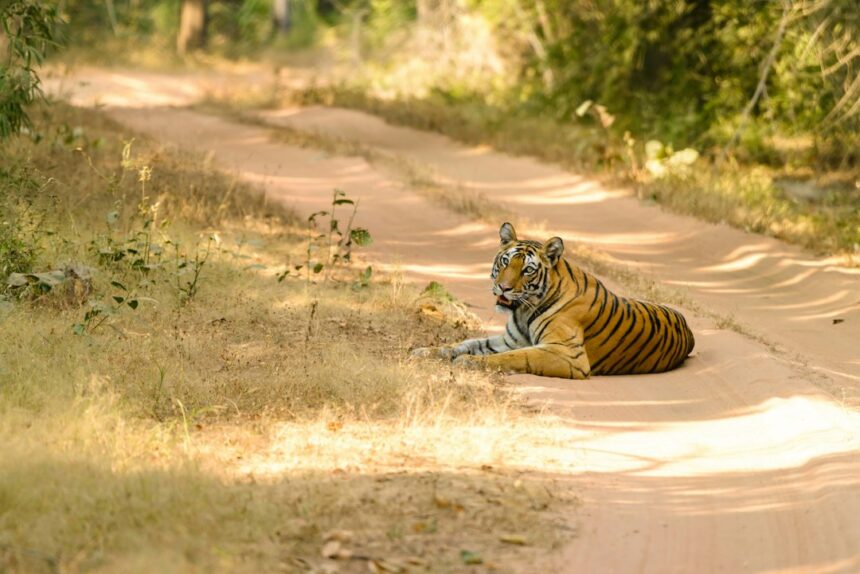
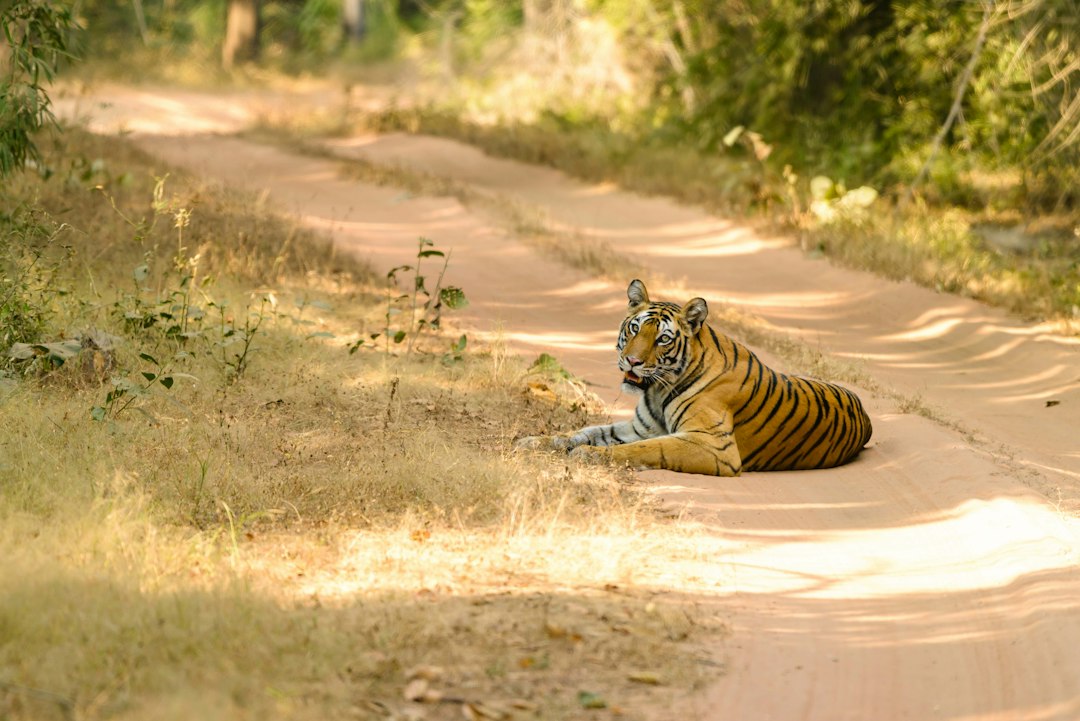
Cold mist on a forest track, a jeep idling in the half-light and a langur’s alarm call somewhere ahead. This is why many Indian travellers choose a winter wildlife safari in India over a beach or hill-station break.
Winter is not equally good in every park, though. Zones open on different dates, mornings can be bitterly cold and sightings are never guaranteed. This guide helps you pick a park, understand the timing and book the safari properly.
Why Winter Suits a Wildlife Safari
Most national parks restrict or close access during the monsoon. By late October and November, forest roads are repaired and many zones reopen for the season.
Cooler weather also changes how wildlife moves. Guides often say that animals are more active in the cold hours of early morning and late afternoon. Photographers also get softer light and less heat haze.
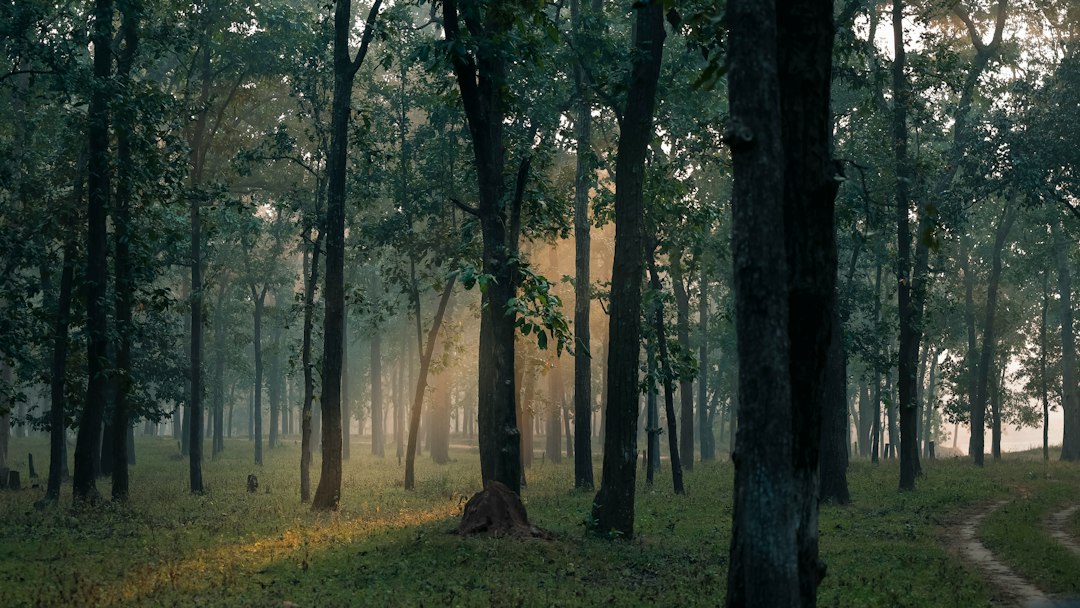
What December, January and February Feel Like
December: Mornings are crisp, and fog is common in North India. Christmas and New Year week is the busiest period, so permits and hotels go first.
January: This is usually the coldest month in the north. Undergrowth begins to thin, which can make animals easier to spot.
February: Days turn milder and crowds ease. As the dry season builds, waterholes become better places to wait and watch.
One practical point: an open vehicle at 6 am feels far colder than the weather app suggests. Plan for the morning drive, not the sunny afternoon.
Best Parks for a Winter Wildlife Safari in India
These parks suit different budgets, travel times and wildlife interests. Always check each reserve’s official website for current zones and rules.
Jim Corbett National Park, Uttarakhand
Corbett is the easiest tiger-country trip from Delhi, Chandigarh and the wider NCR. It is also historic, because Project Tiger was launched here in 1973.
The landscape mixes sal forest, grassland and the Ramganga river. You can look for elephants, deer and birds as well as tigers.
Zone calendars differ. In recent seasons, Dhela, Garjia and Jhirna have stayed open through the year, Bijrani has reopened around mid-October, and other zones have opened from mid-November. Dates can shift after heavy monsoons, so confirm before paying for a hotel.
Planning a wider Uttarakhand trip? Our Uttarakhand in November guide shows how Corbett fits with Nainital and Rishikesh.
Ranthambore National Park, Rajasthan
Ranthambore is known for tigers moving among old fort walls, lakes and dry forest. The historic Ranthambore Fort sits inside the park, which gives photographs a very different look from dense-jungle reserves.
Safaris in peak weeks fill early, and open vehicles are cold at dawn. Pair it with Jaipur for an easy route, using our guide to the best places to visit in Rajasthan in winter.
Bandhavgarh and Kanha, Madhya Pradesh
Madhya Pradesh has several tiger reserves, so it suits travellers who want two parks in one trip. Bandhavgarh is often chosen for tiger sightings and its hill fort.
Kanha is known for open meadows and for the barasingha, a rare swamp deer. Road transfers are long, so plan at least four to five days.
Kaziranga National Park, Assam
Kaziranga is the place to see the Indian one-horned rhinoceros. The park is usually closed through the monsoon and reopens around November, which makes winter its main season.
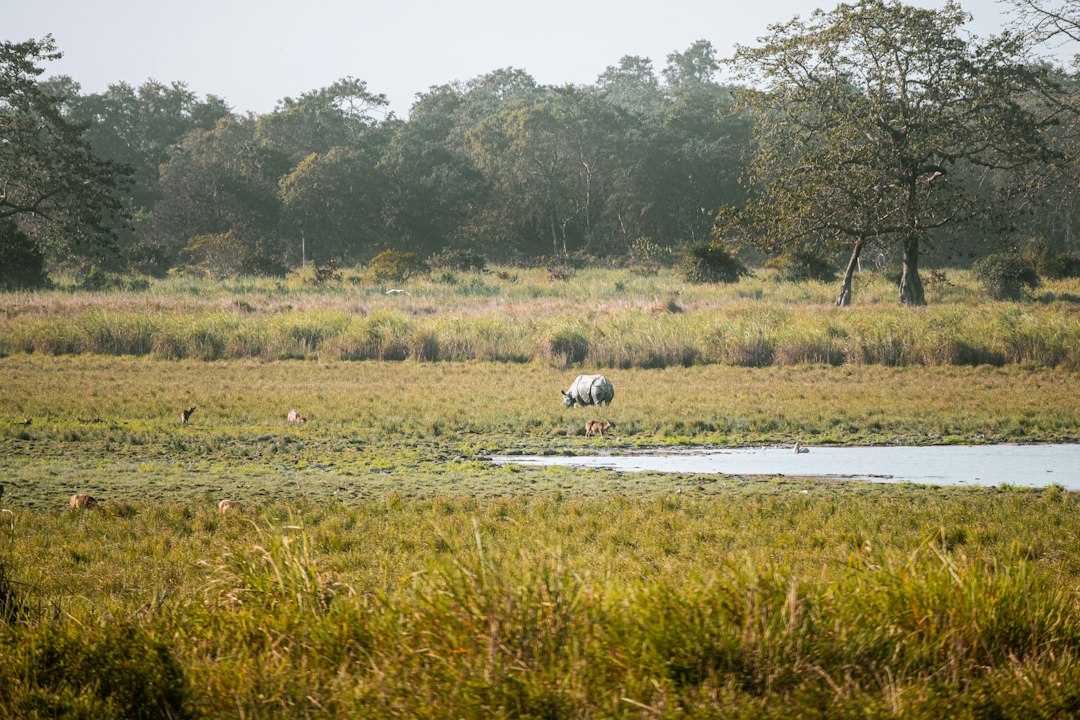
Morning mist over tall grass and wetlands also suits birdwatching. Most visitors allow four to five days because of flights and transfers.
Rajaji National Park, Uttarakhand
Rajaji lies near Haridwar and Rishikesh, so it fits neatly into a nature-and-spirituality weekend. It is known for elephants and a mix of forest, river and foothill scenery.
Nagarhole National Park, Karnataka
For South India, Nagarhole (also called Rajiv Gandhi National Park) and the Kabini river area are known for elephants and leopards. Winter mornings here are much milder than in the north, so you need lighter layers.
Keoladeo National Park, Rajasthan
If birds interest you more than big cats, Keoladeo near Bharatpur is a strong winter choice for migratory species. Visitors often explore on foot, by cycle or by cycle rickshaw with a guide.
Which Park Suits Your Trip?
| Park | State | Best for | Plan for |
|---|---|---|---|
| Jim Corbett | Uttarakhand | Weekend trips from North India | Zone dates and early booking |
| Rajaji | Uttarakhand | Elephants, short breaks | Combining with Haridwar or Rishikesh |
| Ranthambore | Rajasthan | Tigers and fort scenery | Cold dawn drives, peak-week crowds |
| Bandhavgarh and Kanha | Madhya Pradesh | Longer tiger trips | Four to five days with transfers |
| Kaziranga | Assam | One-horned rhinos | Flights and a November reopening |
| Nagarhole | Karnataka | Elephants, South India | Milder weather, longer travel |
| Keoladeo | Rajasthan | Migratory birds | Guide and slow exploration |
How to Book a Winter Safari Without Problems
Start With the Official Portal
Book through the reserve’s forest-department portal or an authorised operator. The National Tiger Conservation Authority’s tiger reserves page links to the official website of each reserve, which is the safest place to begin.
Be careful with vague packages that “include a safari” without naming the zone, date and vehicle.
Choose a Jeep or a Canter
Where both are offered, a jeep gives smaller groups and more flexibility. A canter is a shared, larger vehicle, usually cheaper but less flexible. Fees vary by park, zone and season, so check the current rates on the official site.
Plan More Than One Drive
No single drive can promise a sighting. Two or three safaris, ideally in different zones, give you a fairer chance and a better feel for the forest.
Book Permits Before Non-Refundable Hotels
Permits for popular zones can sell out in peak weeks. Secure the permit first, then lock in your stay. Carry the government ID used for the booking, as checks happen at the gate.
Allow Buffer Days for Fog
Dense winter fog can delay trains and flights in North India. Leave a spare day at each end if you have a fixed return date.
What to Pack for Cold Safari Mornings
- Layers, plus a windproof jacket
- Woollen cap, gloves and a scarf
- Clothes in muted green, brown or grey
- Binoculars and a camera with a zoom lens
- A spare battery, since cold drains batteries faster
- Water and a light snack
- Sunscreen and sunglasses for the afternoon drive
- Government photo ID and a printed or saved permit
Common Mistakes to Avoid
- Promising yourself a tiger. Wildlife is unpredictable. Enjoy birds, deer, landscape and tracks as part of the experience.
- Choosing a park by fame alone. Travel time matters. A shorter trip to Corbett or Rajaji can beat a rushed flight to a distant reserve.
- Packing too light. Cold, open vehicles catch first-timers out.
- Ignoring park rules. Do not leave the vehicle, feed animals or make loud noise. Follow your naturalist’s instructions.
- Leaving booking late. December holiday weeks are the hardest to arrange at short notice.
Sample Trip Plans From North India
A Corbett Weekend (3 Days)
Travel on day one, usually five to six hours by road from Delhi depending on traffic, and take an evening drive if permitted. Spend day two on a morning and an afternoon safari. Take a final morning drive on day three, then head back.
A Rajasthan Tiger Break (4 Days)
Reach Jaipur on day one and see the city. Travel to Ranthambore on day two for an evening safari, then take a morning drive on day three. Return on day four with a buffer for fog.
An Assam Rhino Trip (5 Days)
Fly to Guwahati and transfer to Kaziranga. Plan three safaris across different times, add birdwatching, and keep one flexible day for weather.
Key Takeaways
- Winter is a strong season, but zone dates and weather vary each year.
- Match the park to your travel time, budget and the animals you most want to see.
- Book permits through official portals and keep spare days for fog.
- Treat every sighting as a bonus rather than a promise.
For wider ideas beyond wildlife, see our guide to the best places to visit in India in December 2026 and our list of winter destinations in India for 2026–27.
Frequently Asked Questions
1. Which national park is best for a winter safari in India?
There is no single best park. Corbett and Rajaji suit short North India trips, Ranthambore offers tigers with fort scenery, Kaziranga is best for rhinos, and Bandhavgarh or Kanha suit longer tiger trips. Choose by travel time, budget and the animals you most want to see.
2. Is January better than December for a tiger safari?
Both months work. December has crisp weather but heavy holiday crowds. January is colder, and thinning undergrowth can help visibility. February is milder and quieter. Pick dates by crowd tolerance, cold tolerance and permit availability, because no month guarantees a sighting.
3. How early should I book a Jim Corbett safari in winter?
Booking windows differ by zone and year, and popular zones fill quickly around Christmas and New Year. Check the official Corbett website for the current calendar and reserve your permit before paying for non-refundable hotels. If dates are flexible, weekdays are usually easier to arrange.
4. Are winter safaris suitable for children and senior citizens?
Many families go, but early mornings are cold and forest tracks are bumpy. Check each park’s own rules, carry warm layers and plan fewer drives for older travellers. Ask your stay about vehicle comfort and nearby medical access before booking.
5. What should I wear for a winter wildlife safari in India?
Wear layers in muted green, brown or grey, and add a windproof jacket, cap, gloves and scarf. Open vehicles feel colder than the air temperature. Avoid bright colours and strong perfume, and carry sunscreen for the sunnier afternoon drive.
6. Can I see a tiger in every park?
No. Sightings depend on luck, season, zone and time of day. Booking several drives and listening to your naturalist improves your chances, but no operator can guarantee a tiger. Responsible parks also forbid disturbing animals for a better view.
7. Which winter safari is closest to Delhi and Chandigarh?
Rajaji and Jim Corbett in Uttarakhand are the most practical options for weekend trips from Delhi NCR and Chandigarh. Ranthambore needs a longer road or train journey but works well as part of a four-day Rajasthan plan.