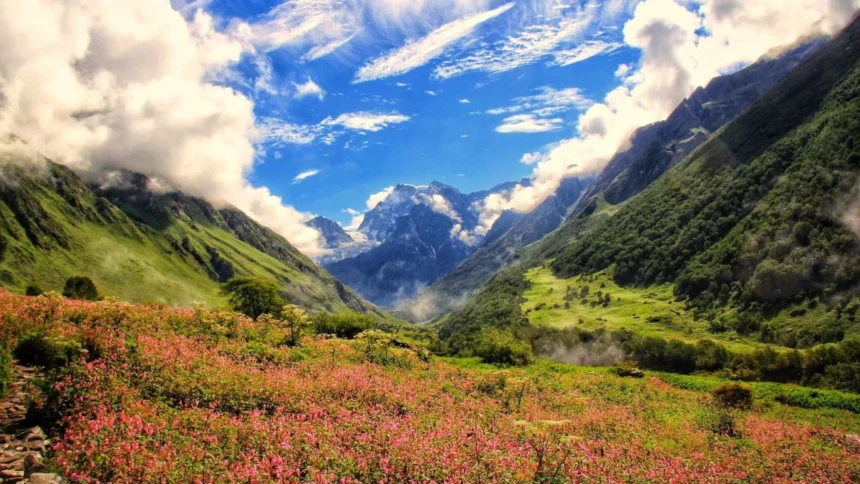
The Valley of Flowers Trek 2026 Complete Guide | Destinations Desire is everything you need if you’re planning to visit one of India’s most beautiful trekking destinations. Located in the Chamoli district of Uttarakhand, the Valley of Flowers is a UNESCO World Heritage Site known for its colorful alpine flowers, snow-covered mountains, waterfalls, and peaceful surroundings. Every year, thousands of trekkers and nature lovers visit this magical valley to witness its breathtaking beauty.
Whether you are a beginner or an experienced trekker, this guide covers everything—from the Valley of Flowers trek best time and Valley of Flowers trek distance to the complete route, travel tips, and a Valley of Flowers trek 5 days itinerary.
If you’re looking for a memorable Himalayan adventure in 2026, the Valley of Flowers Trek deserves a place on your travel bucket list.
Why Visit the Valley of Flowers in 2026?
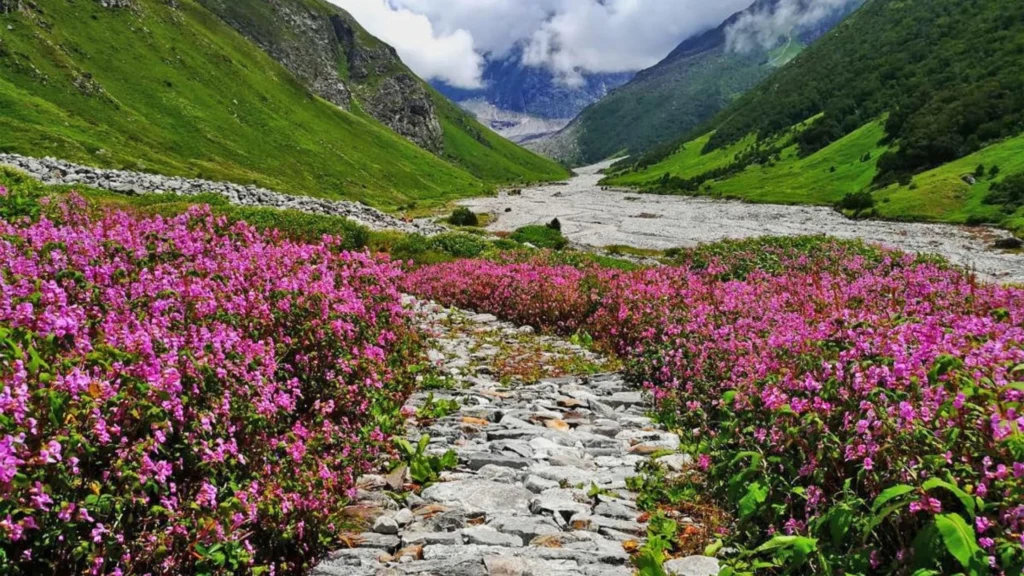
The Valley of Flowers is one of the few places in India where nature looks like a colorful painting during the monsoon season. Spread across more than 87 square kilometers, the valley is home to over 600 species of flowering plants, rare medicinal herbs, butterflies, and Himalayan wildlife.
In 2026, improved road connectivity, better trekking facilities, and guided tour options make the journey even more comfortable for travelers. The trek is suitable for families, solo travelers, couples, photographers, and anyone who enjoys spending time in nature.
Some reasons to visit include:
- Witness thousands of blooming Himalayan flowers.
- Enjoy breathtaking mountain views.
- Experience peaceful trekking trails.
- Visit the holy Hemkund Sahib nearby.
- Explore one of India’s UNESCO World Heritage Sites.
- Capture incredible landscapes for photography.
About Valley of Flowers National Park
The Valley of Flowers National Park lies at an altitude of around 3,658 meters (12,000 feet) above sea level in Uttarakhand. It is surrounded by snow-covered Himalayan peaks, glaciers, streams, and waterfalls.
The valley remained unknown to the outside world until 1931 when British mountaineer Frank Smythe discovered it while returning from Mount Kamet. Since then, it has become one of India’s most famous trekking destinations.
The park remains covered in snow during winter and opens only for a few months every year. During the monsoon season, the valley transforms into a paradise filled with colorful flowers.
Popular flowers found here include:
- Blue Poppy
- Cobra Lily
- Himalayan Bellflower
- Marsh Marigold
- Primula
- Geranium
- Himalayan Daisy
- Brahma Kamal (found near Hemkund Sahib)
Valley of Flowers Trek Best Time
One of the most common questions travelers ask is about the Valley of Flowers trek best time.
The trekking season generally begins in June and continues until early October, but every month offers a different experience.
June
June marks the opening of the Valley of Flowers Trek after winter. Snow starts melting, waterfalls become active, and fresh greenery covers the mountains. Although flowers are fewer during this month, the weather remains pleasant for trekking.
Temperature: 10°C to 18°C
Best for:
- Snow lovers
- Peaceful trekking
- Fewer crowds
July
July is when the valley begins to bloom. The arrival of monsoon showers brings life to the meadows, making the landscapes greener and more vibrant.
Expect occasional rainfall, so carrying rain gear is essential.
Temperature: 12°C to 20°C
Best for:
- Nature lovers
- Photography
- Green landscapes
August (Peak Blooming Season)
August is considered the best time to visit Valley of Flowers. Thousands of colorful flowers bloom across the valley, creating a magical landscape unlike anywhere else in India.
This is also the busiest month, so booking accommodation and transportation in advance is recommended.
Temperature: 10°C to 18°C
Best for:
- Flower photography
- Trekking
- Families
- Couples
September
By September, the flowers begin to fade, but the skies become clearer after the monsoon. Mountain views improve, and trekking conditions become more stable.
This month is perfect for travelers who want fewer crowds and beautiful Himalayan scenery.
Valley of Flowers Trek Distance
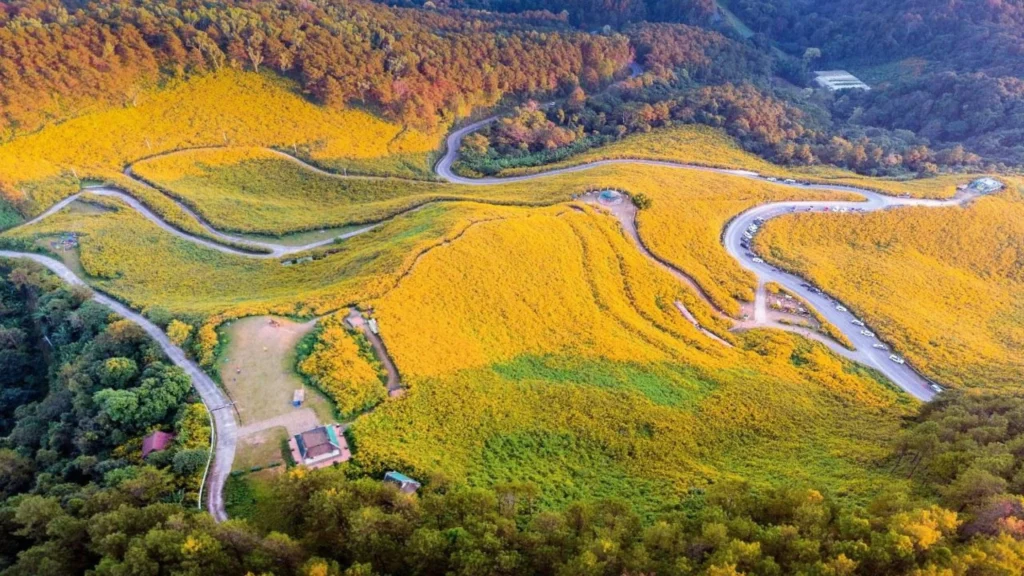
Understanding the Valley of Flowers trek distance helps you prepare physically before the journey.
| Route | Distance |
| Haridwar to Govindghat | Approximately 300 km |
| Govindghat to Pulna | 4 km (shared taxi available) |
| Pulna to Ghangaria | 9 km trek |
| Ghangaria to Valley of Flowers | 4 km one way |
| Valley Exploration | 3–5 km inside the park |
| Ghangaria to Hemkund Sahib | 6 km one way |
Total Trekking Distance
The complete trek, including Hemkund Sahib, covers approximately 38–45 kilometers, depending on the routes explored inside the national park.
Trek Difficulty Level
Many first-time trekkers wonder if this trek is difficult.
The good news is that the Valley of Flowers Trek is considered easy to moderate. Most healthy individuals with average fitness can complete it comfortably.
The trail includes:
- Stone pathways
- Mountain bridges
- Gradual ascents
- Forest trails
- Small waterfalls
Although the trek is manageable, walking at high altitude can be tiring.
How to Reach Valley of Flowers
Reaching the Valley of Flowers involves a combination of road travel and trekking.
By Air: The nearest airport is Jolly Grant Airport in Dehradun, located around 290 km from Govindghat. From the airport, you can hire a taxi or board a bus to Joshimath or Govindghat.
By Train: The nearest railway station is Haridwar Junction, which is well connected to major cities such as Delhi, Jaipur, Lucknow, Chandigarh, and Kolkata. From Haridwar, buses and taxis regularly operate towards Govindghat.
By Road: Govindghat is the base point for the Valley of Flowers Trek. It is connected by road with:
- Haridwar
- Rishikesh
- Dehradun
- Joshimath
Regular government and private buses are available during the trekking season.
Valley of Flowers Trek Route
The trekking route is simple and well-marked, making it suitable even for beginners.
Haridwar/Rishikesh → Joshimath → Govindghat → Pulna → Ghangaria → Valley of Flowers National Park
Most trekkers stay overnight at Ghangaria, the last inhabited village before entering the national park. From here, you can either visit the Valley of Flowers or trek to Hemkund Sahib.
Entry Fees and Timings
Visitors must purchase an entry ticket before entering the Valley of Flowers National Park.
Park Timings:
- Opening Time: 7:00 AM
- Last Entry: Around 2:00 PM
- Closing Time: 5:00 PM
The park usually remains open from June to early October, depending on weather conditions.
It is advisable to carry a valid government-issued ID while purchasing entry tickets.
Things to Carry for the Trek
Packing wisely makes the trek much more comfortable.
Essential Items
- Waterproof trekking shoes
- Raincoat or poncho
- Warm jacket
- Thermal wear
- Backpack (30–40 liters)
- Water bottle
- Energy bars and dry fruits
- Personal medicines
- Sunscreen
- Sunglasses
- Cap
- Trekking pole
- Power bank
- Torch
- Extra socks
- Gloves
Since the weather changes quickly in the Himalayas, dressing in layers is always a smart choice.
Valley of Flowers Trek 5 Days Itinerary
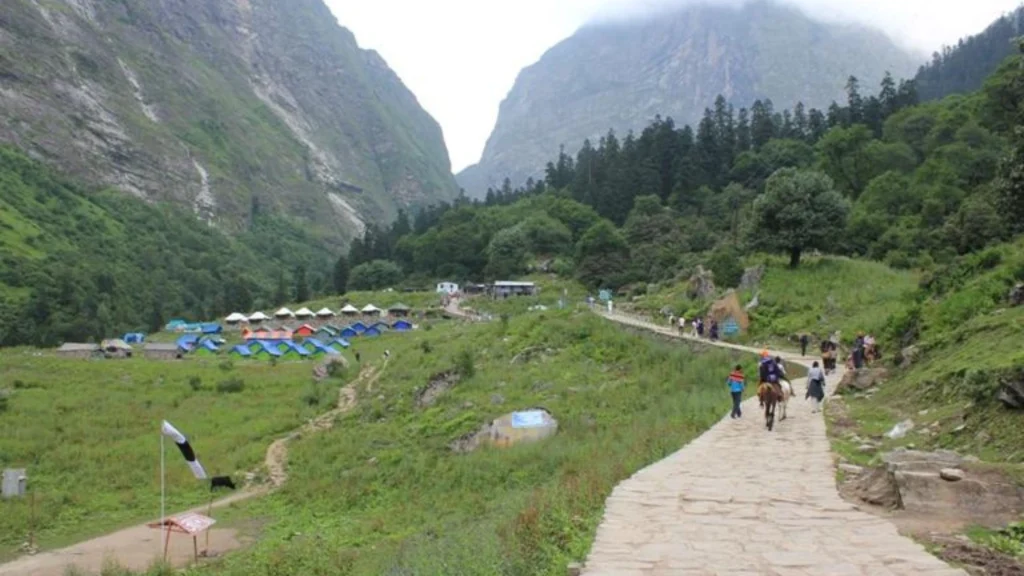
If you’re planning your Himalayan adventure, following a Valley of Flowers trek 5 days itinerary is one of the best ways to explore both the Valley of Flowers National Park and Hemkund Sahib comfortably.
Day 1: Haridwar/Rishikesh to Govindghat
Your journey begins from Haridwar or Rishikesh. The scenic drive to Govindghat takes around 9–10 hours and passes through beautiful mountain towns like Devprayag, Rudraprayag, Karnaprayag, and Joshimath.
During the drive, you’ll witness the confluence of sacred rivers, lush green valleys, waterfalls, and breathtaking Himalayan landscapes.
Highlights
- Scenic mountain drive
- Alaknanda River views
- Overnight stay at Govindghat
Day 2: Govindghat to Ghangaria
Start your day early by taking a shared taxi from Govindghat to Pulna. From Pulna, begin the trek towards Ghangaria.
The trail is well-maintained and follows the Lakshman Ganga River. Along the way, you’ll cross wooden bridges, waterfalls, tea stalls, and beautiful forests.
Although the trek is around 9 km, the stunning views make the journey enjoyable.
Highlights
- 9 km trek
- Mountain cafés
- River views
- Overnight stay at Ghangaria
Day 3: Explore the Valley of Flowers
This is the most exciting day of your trek.
Wake up early and begin your journey towards the Valley of Flowers National Park. The trail gradually opens into one of India’s most beautiful alpine meadows.
During the blooming season, the valley is covered with hundreds of colorful flowers including Himalayan Blue Poppy, Primula, Cobra Lily, Geranium, and many rare species.
Spend several hours exploring the valley, taking photographs, and enjoying the peaceful surroundings before returning to Ghangaria.
Highlights
- UNESCO World Heritage Site
- Rare Himalayan flowers
- Waterfalls
- Snow-covered peaks
- Excellent photography opportunities
Day 4: Trek to Hemkund Sahib
On the fourth day, trek to the famous Hemkund Sahib, one of the world’s highest Sikh pilgrimage sites located at an altitude of around 4,329 meters.
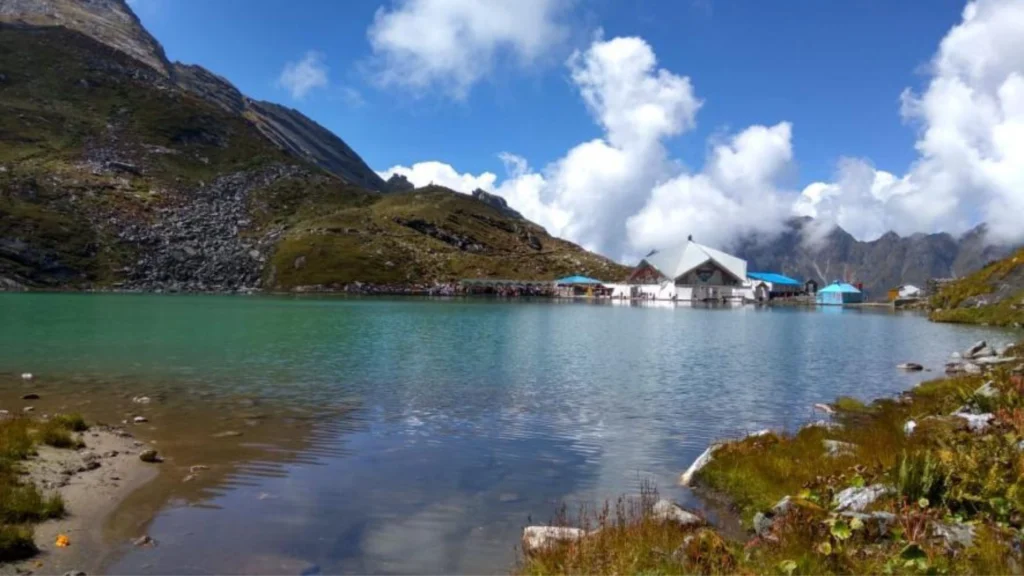
The trail is steep but rewarding. Once you reach the top, you’ll find the peaceful Hemkund Sahib Gurudwara beside a crystal-clear glacial lake surrounded by snow-covered mountains.
If you’re lucky, you may also spot the famous Brahma Kamal, Uttarakhand’s state flower.
After spending some time here, return to Ghangaria for the night.
Highlights
- Hemkund Sahib Gurudwara
- Glacial lake
- Brahma Kamal flowers
- Panoramic Himalayan views
Day 5: Return to Govindghat and Departure
After breakfast, trek back to Pulna and take a shared taxi to Govindghat. From here, continue your journey towards Joshimath, Rishikesh, or Haridwar.
Although the trek ends, the memories of colorful valleys, waterfalls, and Himalayan landscapes stay with you forever.
Accommodation During the Trek
There are no hotels inside the Valley of Flowers National Park. Most trekkers stay at Ghangaria, where several hotels, guesthouses, and camps are available.
Accommodation options include:
- Budget hotels
- Deluxe hotels
- Guest houses
- GMVN Tourist Rest House
- Trekking camps
During July and August, rooms sell out quickly. Booking in advance is highly recommended.
Food Availability
Food is easily available at Govindghat and Ghangaria.
You can find:
- North Indian meals
- Rice and dal
- Chapati and vegetables
- Maggi
- Tea and coffee
- Snacks
- Bottled water
Since the Valley of Flowers National Park is an eco-sensitive zone, there are no food stalls inside the valley. Carry light snacks and enough drinking water before starting the trek.
Fitness Tips Before the Trek
The Valley of Flowers Trek is beginner-friendly, but preparing yourself beforehand makes the experience much more enjoyable.
A few weeks before your trip:
- Walk 4–5 km daily.
- Climb stairs regularly.
- Practice light jogging or cycling.
- Stay hydrated.
- Perform basic stretching exercises.
Good physical fitness helps you enjoy the trek without feeling exhausted.
Estimated Budget for Valley of Flowers Trek 2026
The total cost depends on your travel style and whether you travel independently or book a package.
| Expense | Approximate Cost |
| Transport | ₹3,000–₹6,000 |
| Hotels | ₹1,500–₹5,000 |
| Meals | ₹1,000–₹2,000 |
| Entry Tickets | ₹300–₹800 |
| Local Transport | ₹500–₹1,000 |
| Miscellaneous | ₹1,000 |
Estimated Total Budget: ₹8,000–₹15,000 per person.
Booking a guided package is often more convenient, especially for first-time visitors, as it includes transportation, accommodation, permits, meals, and experienced trek leaders.
Responsible Trekking Tips
The Valley of Flowers is a protected national park. Every visitor should help preserve its natural beauty.
Follow these simple guidelines:
- Do not pluck flowers.
- Avoid throwing plastic waste.
- Carry a reusable water bottle.
- Stay on marked trails.
- Respect wildlife.
- Maintain silence in the park.
- Do not feed animals.
- Bring back all your waste.
Responsible tourism ensures that future generations can also enjoy this incredible destination.
Why Choose a Guided Tour Package?
Planning the Valley of Flowers Trek on your own can be time-consuming, especially if it’s your first visit to the Himalayas. A guided package helps you enjoy the journey without worrying about permits, hotel bookings, transportation, or route planning.
A good tour package generally includes:
- Comfortable accommodation
- Transportation
- Trek leader and local guide
- Meals
- Required permits
- Assistance throughout the trek
If you’re looking for a well-planned itinerary, you can explore the Valley of Flowers & Hemkund Sahib Tour Package offered by The Searching Souls. Their package includes detailed itineraries, accommodation information, travel guidance, and trekking support.
Final Thoughts
The Valley of Flowers Trek 2026 Complete Guide is your perfect companion for planning an unforgettable Himalayan adventure. From colorful alpine meadows and scenic trekking trails to the spiritual experience of Hemkund Sahib, this trek offers a unique combination of nature, adventure, and peace.
Whether you’re looking for the Valley of Flowers trek best time, planning a Valley of Flowers trek 5 days itinerary, or understanding the Valley of Flowers trek distance, this destination promises memories that will last a lifetime.
If you’re searching for the Best Places to Visit During Rainy Season, the Valley of Flowers should be at the top of your list. During the monsoon months, the valley transforms into a breathtaking landscape filled with vibrant wildflowers, lush greenery, sparkling waterfalls, and mist-covered Himalayan peaks. It’s truly one of India’s most spectacular monsoon destinations.
Start planning your Valley of Flowers Trek 2026 today and experience the unmatched beauty of one of the world’s most stunning natural wonders.